


Products
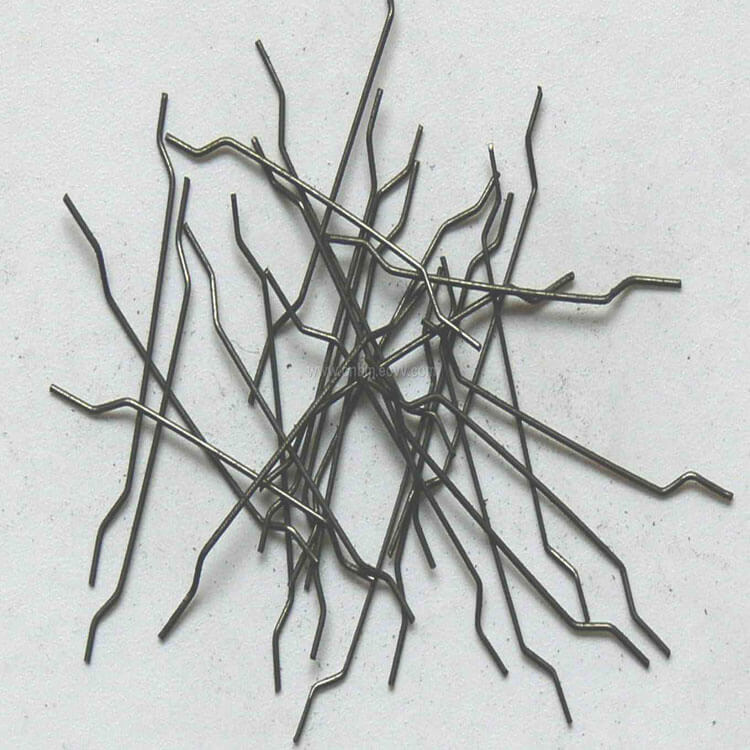
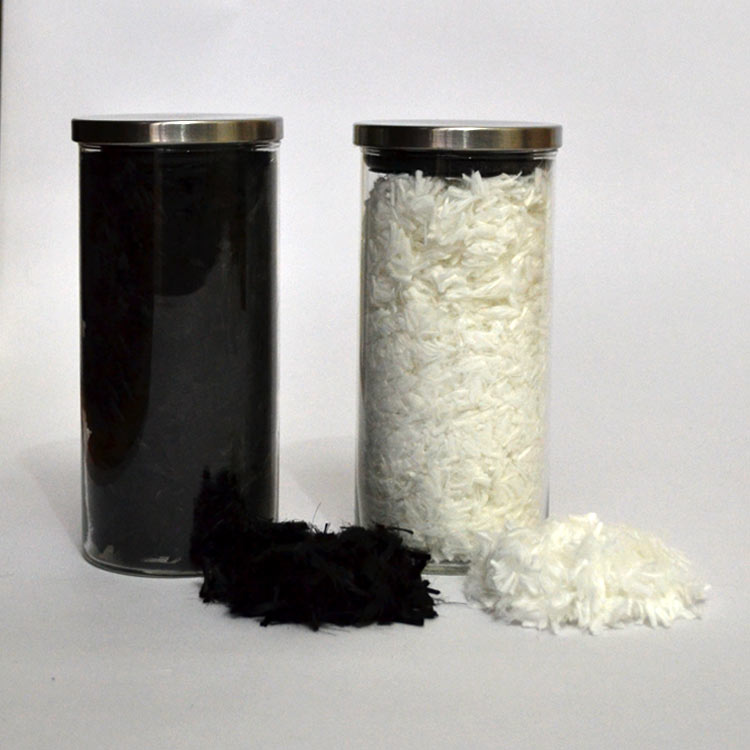
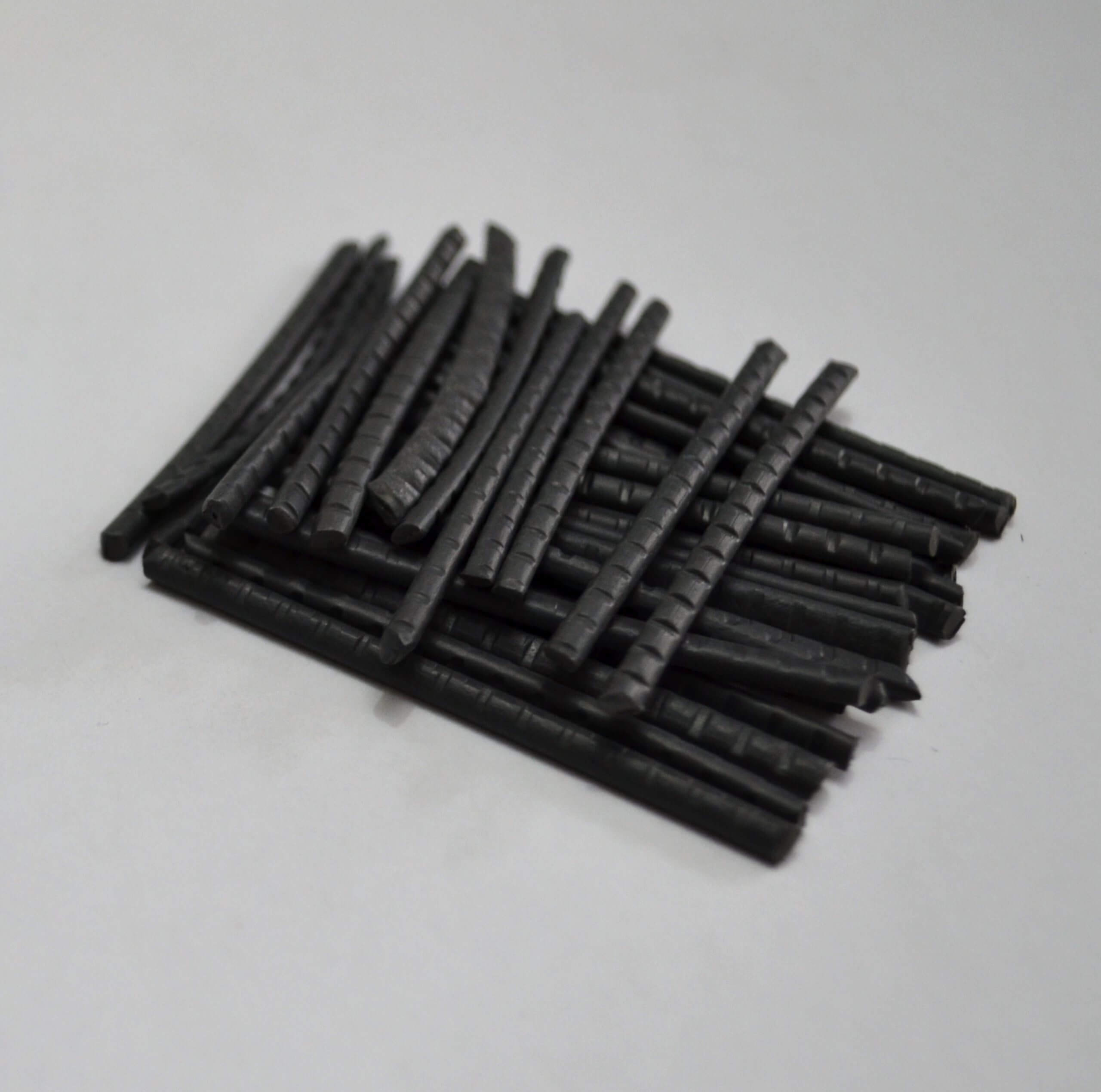
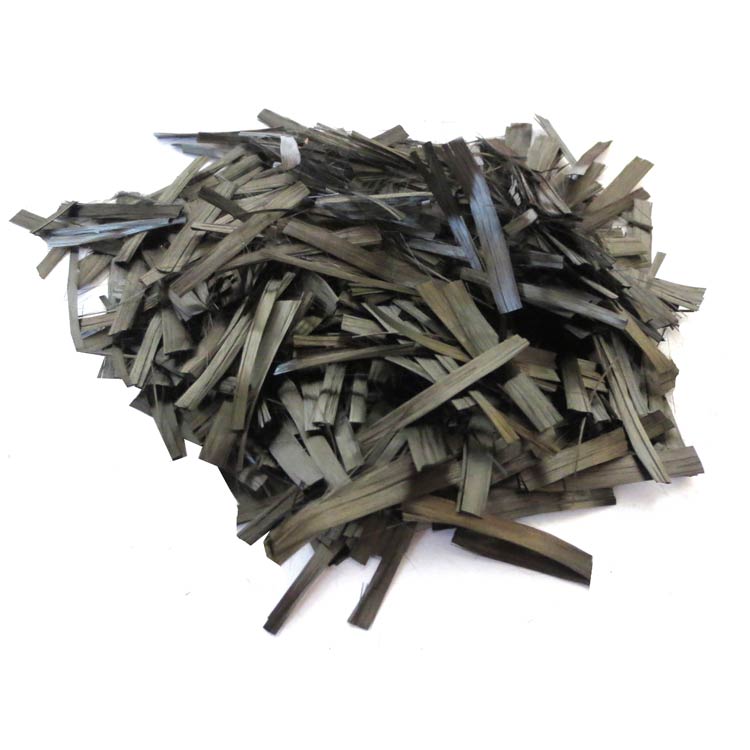
Afzir Company will provide you four main types of chopped fibers including steel, Polypropylene, glass & carbon fibers.
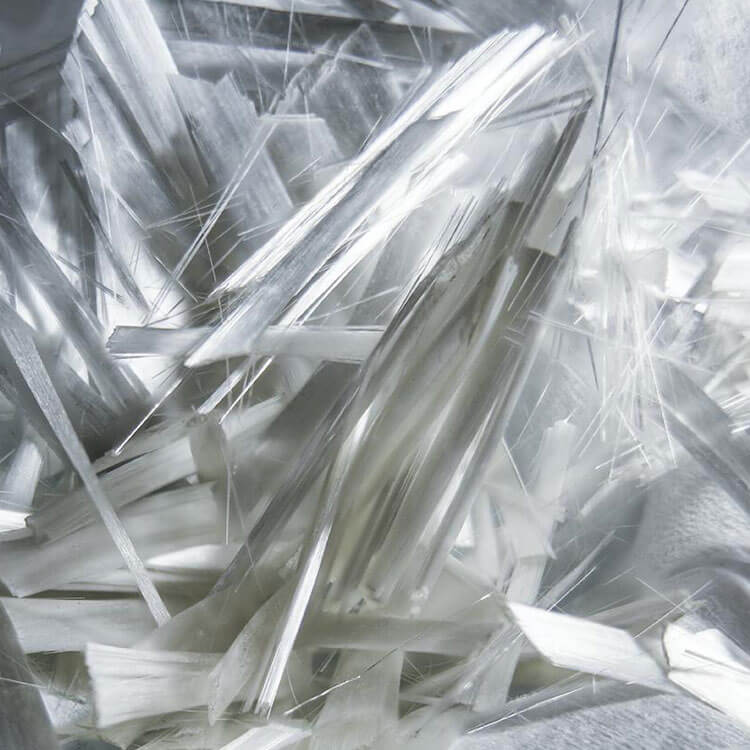
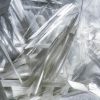
Chopped glass fiber is primarily used in fiber-reinforced concrete applications. Fiber-reinforced concrete is a composite material composed of cement, mortar or concrete, and fibers. These fibers enhance the properties of concrete and offer several advantages. They can come in continuous meshes, woven fabrics, long wires, or rods. The tensile strength is significantly increased by reinforcing concrete with fibers, such as steel, glass, or “plastic” fibers, providing a cost-effective alternative to other types of rebars.
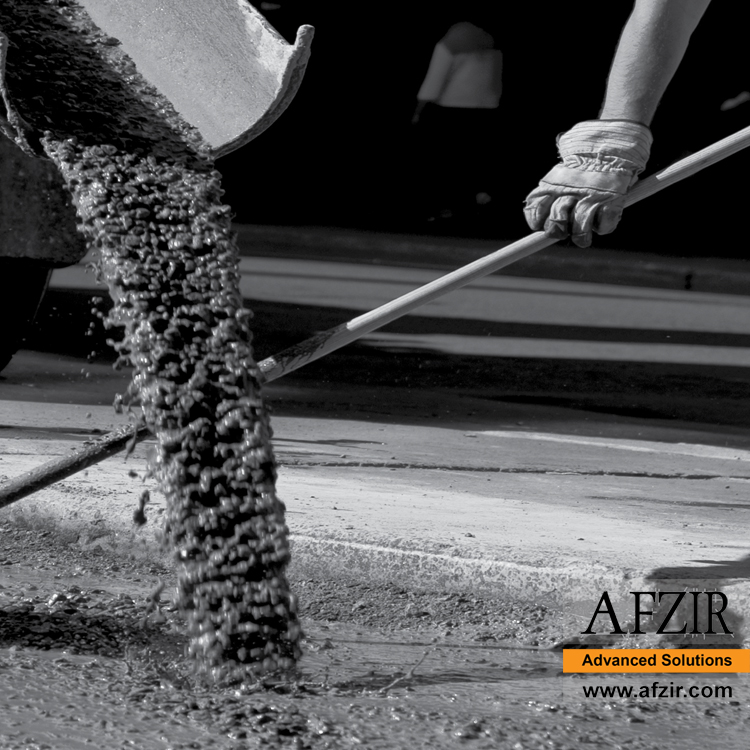
When fiberglass is incorporated into concrete (referred to as GCF™ code), it involves chopped glass fiber. This type of concrete is also known as GFRC or GRC (Glass Fiber Reinforced Concrete). GFRC finds application in constructing exterior facades of buildings or prefabricated architectural concretes. Fiberglass concrete offers a higher strength than conventional concrete, particularly in base areas, and exhibits increased tensile strength. This improved strength results from the combined performance of concrete and chopped glass fibers. One significant advantage of fiberglass concrete is its enhanced fire resistance. Including chopped glass fibers significantly improves the concrete’s performance in fire conditions.
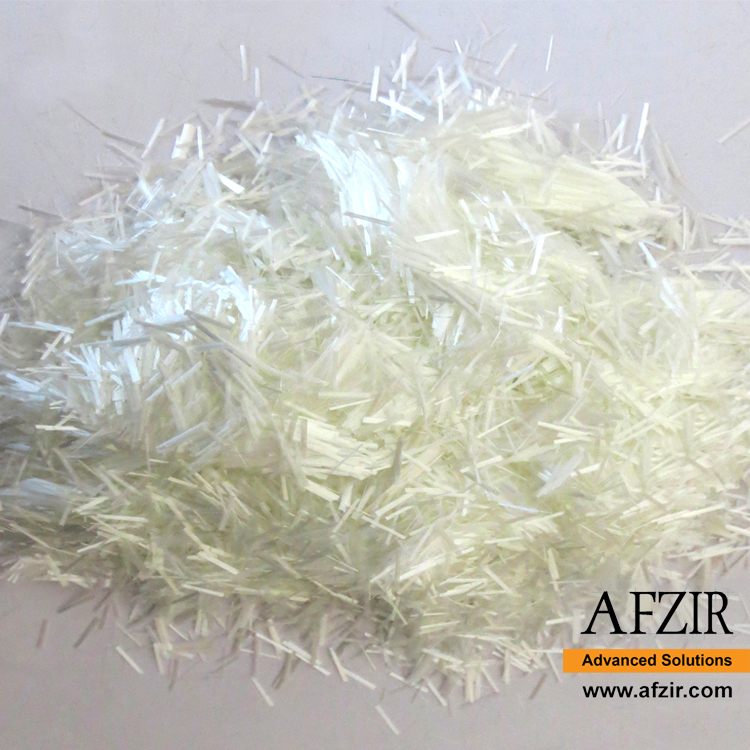
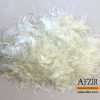
Glass fiber comprises 200-400 individual filaments that are tightly bonded together to form a strand. These strands can be chopped into various lengths or combined to create cloth mats or tapes. Conventional mixing techniques for regular concrete limit the maximum volume of fibers to about 2% when the fiber length is 25mm. Glass fiber has been widely used to reinforce cement or mortar matrices in producing thin-sheet products. E-glass is commonly used, but AR-glass is preferred when resistance to alkalis in Portland cement is needed. Polymers, such as moisture movement, are sometimes added to improve specific physical properties.
Carbon fibers are a recent and remarkable addition to commercially available fibers. They possess a very high modulus of elasticity and flexural strength. Carbon fibers are expensive but exhibit superior strength and stiffness characteristics, surpassing even steel. However, they are more susceptible to damage than glass fiber and are often coated with resin for protection.
Chopped glass fibers alone cannot bear significant loads and are prone to failure under stress. However, when combined with concrete, the fibers are immobilized by the concrete matrix, enabling each chopped fiber to withstand a small portion of the load. The load transferred to one fiber is distributed among the other fibers through the concrete matrix. Concrete also provides protection against environmental damage. Fiberglass integrates with the concrete matrix, enhancing its performance against applied loads and increasing concrete durability in challenging environments.
Incorporating chopped glass fibers enhances the strength of concrete, resulting in harder and crack-resistant concrete.
Fiberglass concrete or GFRC weighs less than ordinary concrete while maintaining the same strength. This reduces transportation and placement costs.
Fiber-reinforced concretes, due to their internal reinforcement, can be cast into various shapes, making them suitable for complex architectural forms.
Concrete containing chopped glass fibers is easier to work with, leading to a smoother final surface.
Fiber-reinforced concrete exhibits increased resistance to environmental factors like corrosion and chemical attacks.
Cement production is a significant source of pollution, with cement manufacturing accounting for 5 to 8% of global carbon dioxide emissions. Incorporating glass fibers into concrete can reduce cement usage by approximately 1%, resulting in a substantial environmental benefit given concrete’s widespread use.
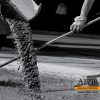
These fiber-reinforced can be utilized in producing prefabricated concrete panels, eliminating the need for additional reinforcement and reducing weight. This makes them suitable for constructing architectural elements in exterior facades and urban spaces.
Additionally, chopped fibers find applications in various industries and the manufacturing of composite parts, including the electrical, automotive, aerospace, military, decorative, civil, and construction materials, insulation, shipbuilding, and power plant sectors.
Glass fiber was initially developed in Russia in the 1940s, inspired by composite materials. Chopped glass fibers were used to create thatch-like structures. However, early prototypes faced challenges related to a reaction between hydrated cement and the silica in the glass fibers, which compromised concrete performance. In the 1970s, adding zirconia (ZrO2) to the fiber composition resolved this issue, leading to the commercial availability of glass fibers.
Glass fibers are classified into several types based on their constituent elements:
This type of fiber should be used when chopped fiberglass is combined with Portland cement to prevent the reaction between the cement and glass fibers, thanks to the presence of zirconia.
E-Glass is the most commonly used type of glass fiber. It offers good chemical and electrical resistance, making it suitable for general purposes.
R-Glass fibers are chosen when higher corrosion resistance is required.
S-Glass fibers possess exceptional properties, including high strength, hardness, temperature resistance, and corrosion resistance.
C-Glass fibers are employed in environments with high levels of corrosion.
ECR-Glass fibers are used in applications that require high strength, electrical conductivity, and corrosion resistance.
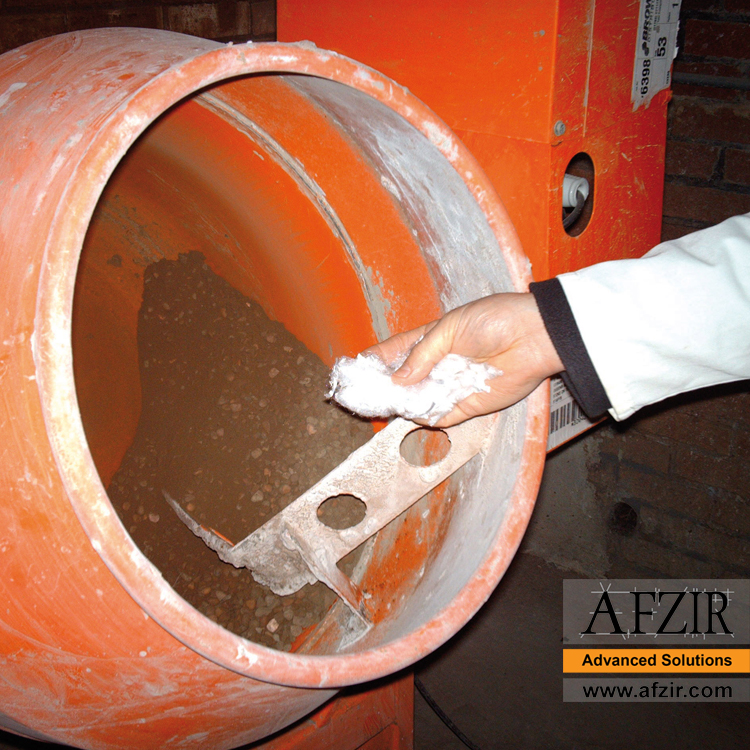
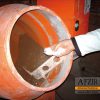
One of the main challenges of GFRC is the reduced efficiency resulting from a lower water-to-cement ratio. To overcome this, suitable superplasticizers should be used during concrete mixing to enhance efficiency. Care must be taken to prevent fiber agglomeration when adding fiberglass to the concrete mix. Unique fans or slow, regular intervals of fiber addition can address this issue. Afzir Reinforcement Company’s experts recommend proper mixing techniques to ensure the fibers do not clump together.
By addressing these limitations, fiber-reinforced concrete, including GFRC, offers versatile and durable solutions in various industries and construction applications.
Afzir Company will provide you four main types of chopped fibers including steel, Polypropylene, glass & carbon fibers.
packaging
Product color
| Fiber dimension |
17-15μm |
| Fiber length |
4,6,12,18,36 mm |
| Amount of Humidity |
≤0.3% |
Afzir Company will provide you four main types of chopped fibers including steel, Polypropylene, glass & carbon fibers.
Reviews
There are no reviews yet.