Rehabilitation goals
In general, the purpose of reinforcement is to increase the tolerance of the structure against various forces, especially earthquakes. Of course, the purpose of reinforcement is not always to increase the resistance of the structure to earthquakes and can have other causes such as change of use of a building and reduced the quality of materials. Building retrofitting can be considered in two types of buildings:
- Existing and in use buildings
- Earthquake-damaged buildings
Since the demolition and replacement of existing buildings with the new ones is very costly and time-consuming, so the importance of retrofitting buildings is increasing day by day.
Requirements for retrofitting in the building
In the following, we refer to the cases that in case of any of them, we need to present a plan and implement retrofitting in the building:
existing damage in old building
One of the most common cases in buildings is damage and defects during the use of the building. These damages can be seen in different forms in buildings. honeycombing, abnormal cracks and corrosion of rebars in beams, columns and roofs can be considered as common failures in concrete buildings, although many of these cases are not easily detected and Need to perform various methods of concrete testing, including corrugation, rebar scanning and …
Executive errors
Mistakes that occur during the implementation phase need to be investigated by retrofitting experts. These errors can occur in many different ways in different buildings, such as weakness in concrete test specimens, inconsistency of concrete design strength with existing strength, beam and column buckling, honeycombing, and so on.
Change of use of a building
These days, Changes in the use of buildings are common and are among the cases in which the building must be thoroughly examined by experts before doing so. Changes in the use of the building create new forces in the members of the building for which the building is not designed, and their emergence may cause severe breakage and damage to the load-bearing members such as beams, columns and… In these cases, it is necessary for the experienced consulting engineer to fully evaluate the existing structure and perform the feasibility of change of use in order to finally provide a plan with high accuracy and complete details.
detection of defects in a proper time and choosing the right solution will save a lot of building costs. Since choosing an inappropriate method of strengthening, repairing or retrofitting a structure can even make matters worse, it is necessary to seek the help of experienced and expert people in this field.
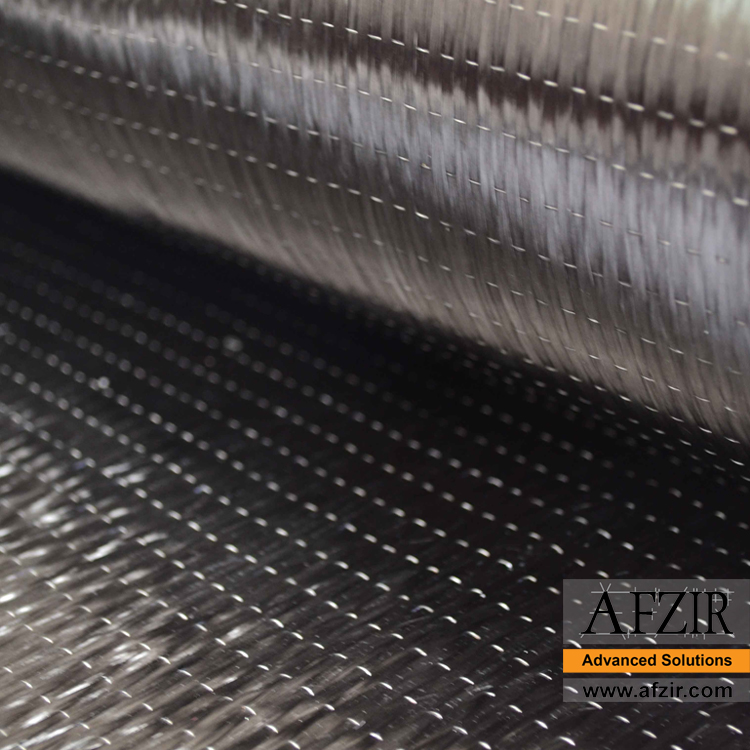
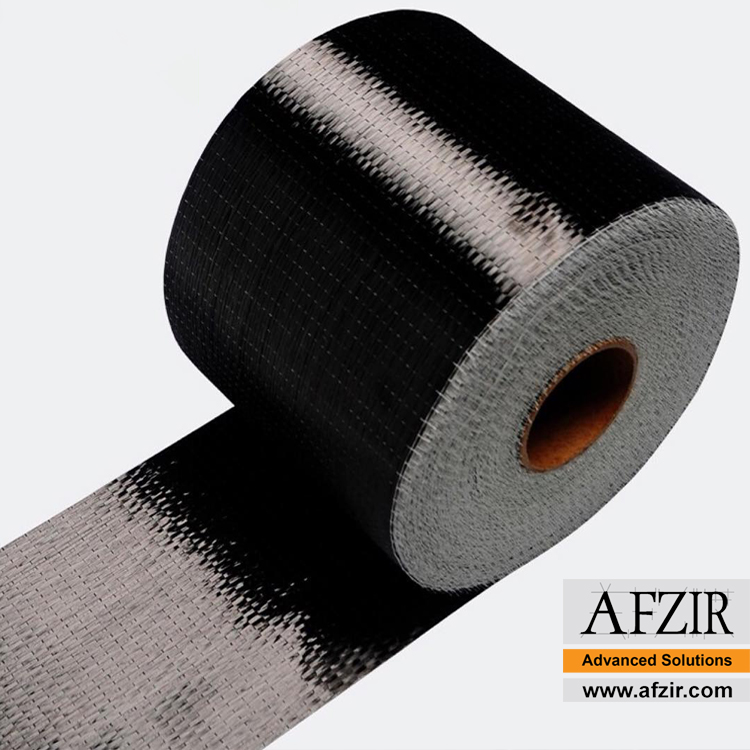
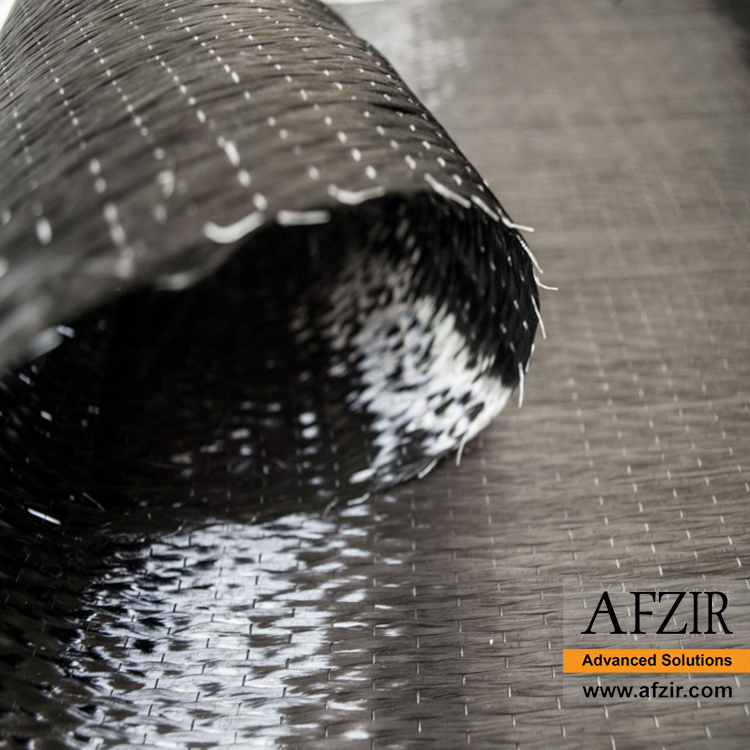
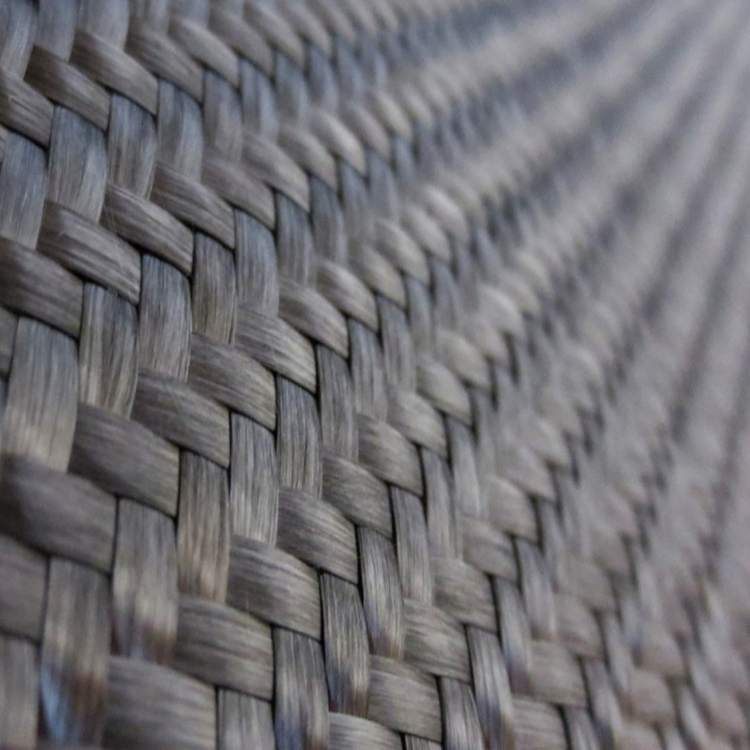
As there are various retrofitting solutions, employers also have different options for it and they must choose one of these methods to implement in their projects. Reinforcement using unidirectional carbon fiber is a method that is becoming more and more widely used. But what are the most important reasons for the pervasiveness of unidirectional carbon fiber retrofitting?
high resistance, low weight, Lack of conductivity of electricity, reduction in costs and…
There are also problems that other common methods of retrofitting, such as steel and concrete jackets, create for the building, such as weight gain, changes in architecture, disruption of long-term use of buildings, rising costs, and so on. The possibility of recurring problems such as corrosion and rust all add to the benefits of reinforcement using unidirectional carbon fiber.





Reviews
There are no reviews yet.