


What is PP fiber?
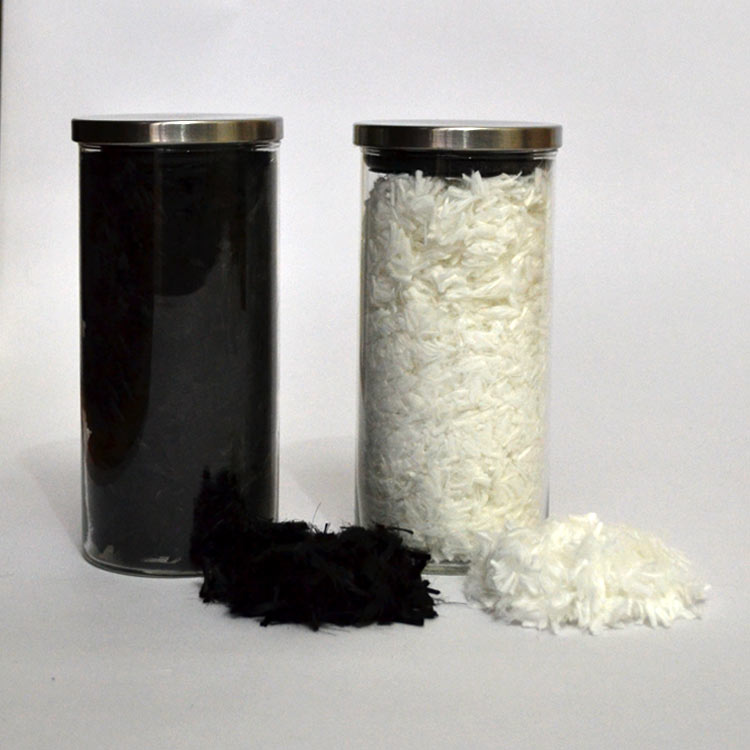
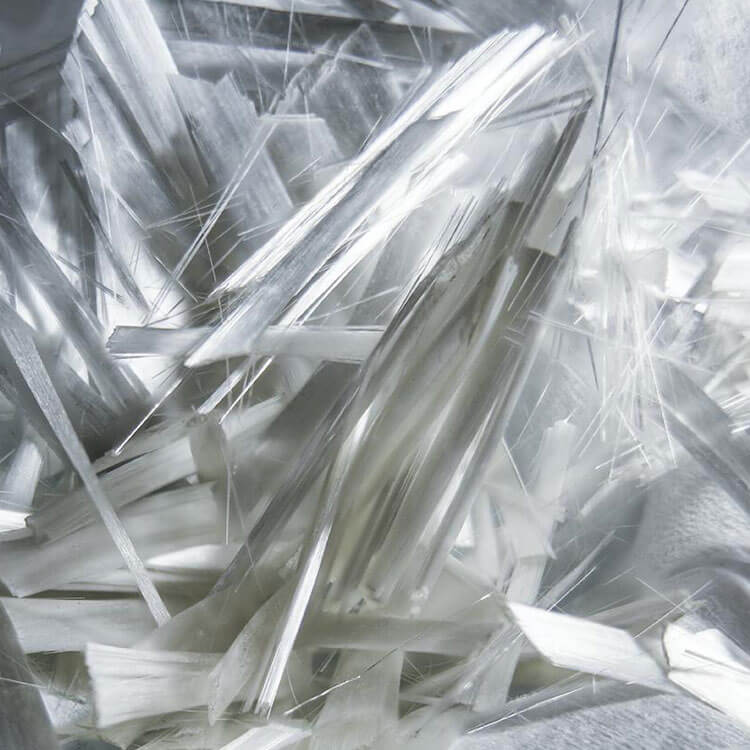
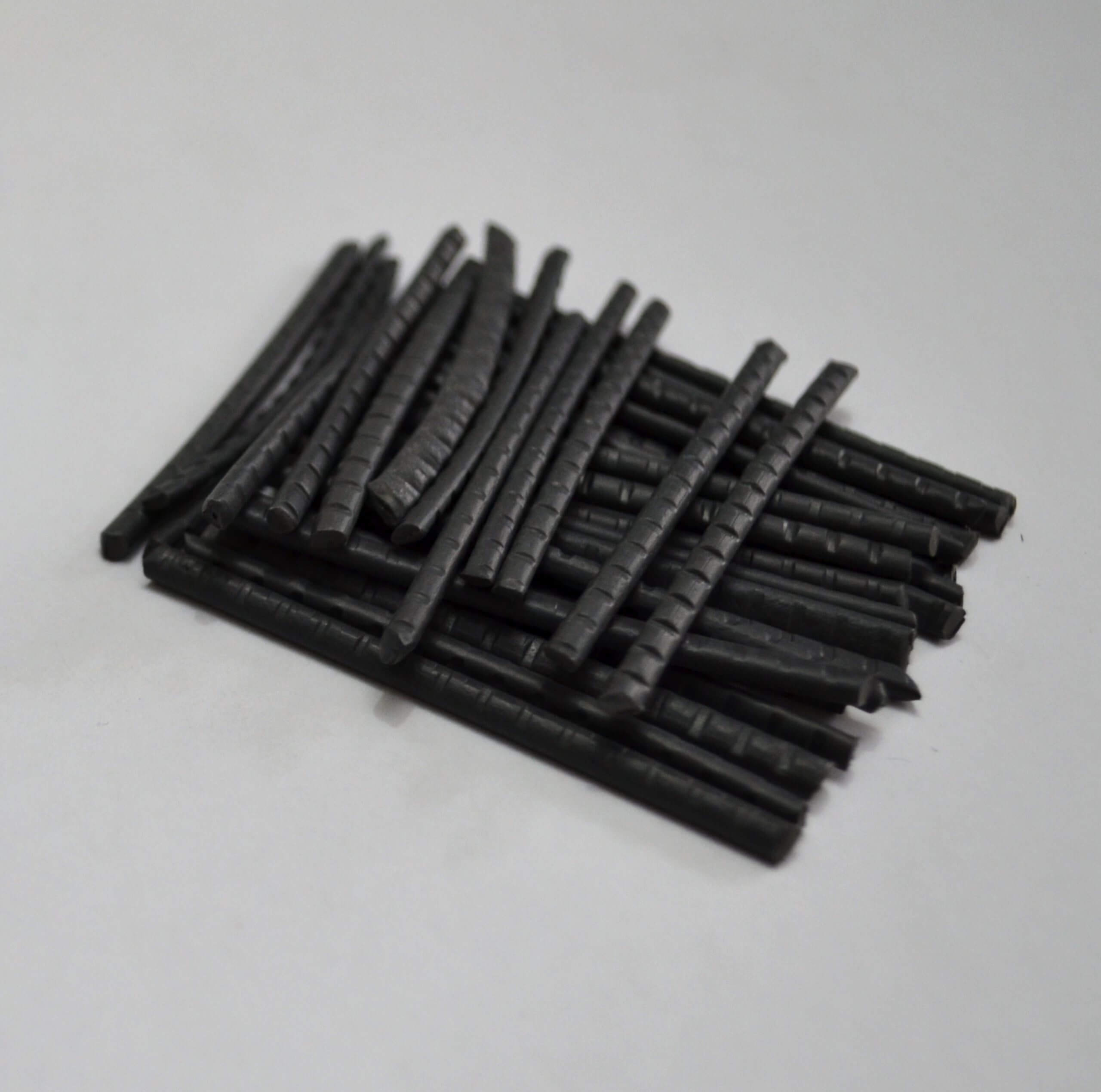
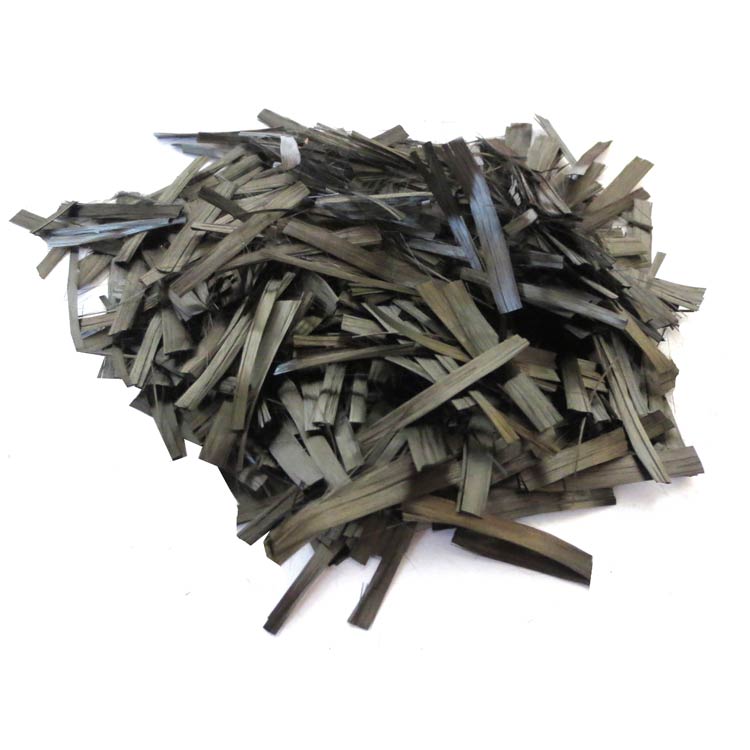
PP fibers, also known as polypropylene fibers, are synthetic fibers made from polypropylene, a thermoplastic polymer. These fibers are used as reinforcing material in concrete and other construction applications. PP fibers, such as monofilament or fibrillated, are available in various lengths and forms to suit different requirements.
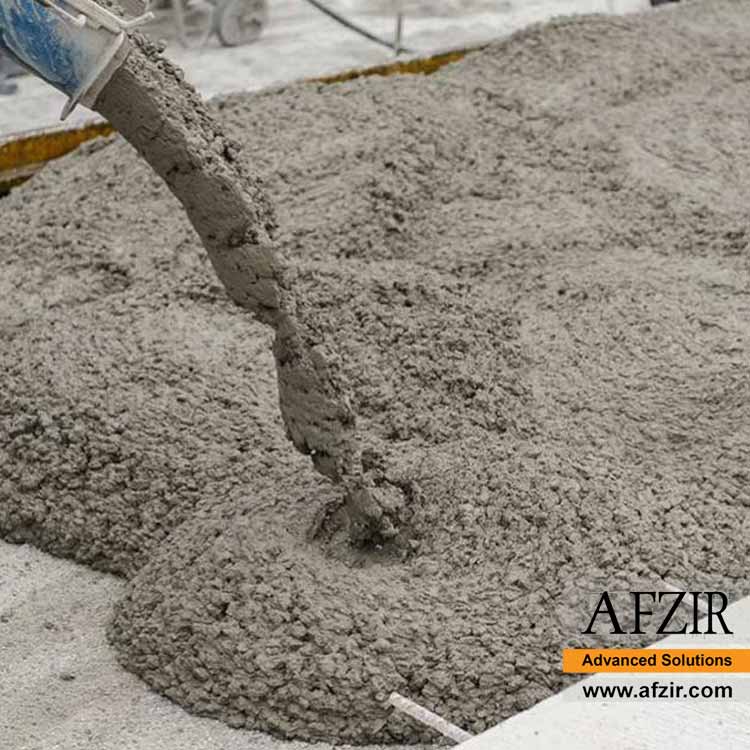
PP fibers are added to concrete mixes to improve their properties and performance. When mixed into concrete, these fibers disperse throughout the mixture, forming a three-dimensional network that enhances the concrete’s tensile strength, toughness, and durability. The fibers act as a reinforcement by reducing crack formation and controlling crack propagation, improving the overall structural integrity of the concrete.
The use of PP fibers in concrete offers several advantages. They provide improved resistance against shrinkage cracking, impact, and fatigue. They also enhance the resistance of concrete to temperature variations, minimizing the potential for thermal cracking. PP fibers are non-corrosive, meaning they do not rust or degrade over time, making them suitable for long-term applications.
PP fibers find application in various concrete structures, including slabs, floors, pavements, shotcrete, precast elements, and more. They are commonly used in situations where control of cracking and improved performance of concrete is desired.
Polypropylene Fibers in Various Industries
Polypropylene fibers, also known as PP fibers, are a type of chemical fibers widely used in various industries. They rank fourth in global production, following polyesters, polyamides, and acrylics. With an annual production rate of around 4 million tons, these fibers have gained prominence since their first application by the US Corps of Engineers in 1965 for blast-resistant concrete.
Properties and Production of Polypropylene Fibers
Over time, the utilization of PP fibers has increased, particularly for concrete reinforcement through compression. Incorporating these fibers into concrete enhances its tensile strength, bending strength, stiffness, impact resistance, and fracture behavior. Compared to steel fibers, PP fibers require a lower percentage for effective reinforcement. Additionally, the resistance of PP fibers can be enhanced during production using fans. With a density of approximately 0.9 grams per cubic centimeter, these fibers exhibit high hardness due to their crystalline nature, characterized by irregular molecules. They also demonstrate excellent resistance to chemical attacks and bacteria, with a crystallinity level of around 70%.
Engineering Plastic and Unique Characteristics of Polypropylene Fibers
When combined with ethylene, a more rigid and flexible material, polypropylene fibers form a product known as engineering plastic. While unpigmented PP fibers are somewhat transparent, they are typically manufactured with a matte finish and can be colored for aesthetic purposes. These fibers exhibit excellent fatigue resistance.
Advantages of Polypropylene Fibers in Concrete Applications
One notable advantage of using PP fibers in concrete is their compatibility, enabling concrete to acquire fiber properties. Another benefit is their chemical neutrality, which enhances the resistance of PP fiber-reinforced concrete to chemical attacks. Unlike other compressed fibers, PP fibers do not agglomerate when mixed with concrete. Being hydrophobic, PP fibers do not absorb water from the cement paste during mixing, eliminating the need to adjust the water content of the concrete to accommodate the fibers. Additionally, these fibers, like others, do not require concrete cover.
Production and Application of Polypropylene Fibers in Construction
Polypropylene fibers, or concrete PP fibers, are produced through the chain polymerization of propene monomers using the melt-spinning process. They possess exceptional hardness, stability, and heat resistance and exhibit antistatic, non-magnetic, and non-conductive properties. Furthermore, their long lifespan, lack of odor, and skin-friendliness make them suitable for food, pharmaceutical, and healthcare applications. PP fibers are environmentally friendly and harmless.
In construction, PP fibers are an ideal reinforcement material for concrete and mortar applications. Their use delays shrinkage crack formation, reduces crack width and enhances energy absorption and fire resistance properties. Notably, using polypropylene fibers can reduce or eliminate the need for traditional reinforcement materials like steel, resulting in improved durability and stability of structures.
The advantages of employing polypropylene fibers in construction include their affordable cost, versatility in various applications, and lower specific weight compared to other plastic materials, requiring a smaller quantity to achieve desired characteristics.
Determining the Appropriate amount of Polypropylene Fibers
Determining the appropriate number of polypropylene fibers depends on the specific type used. For filament microfibers, a dosage of 0.3 to 0.45 kg per cubic meter of concrete typically provides satisfactory performance. In mesh microfibers, the common dosage ranges from 0.45 to 0.89 kg/m³.
Methods of Incorporating Polypropylene Fibers into Concrete
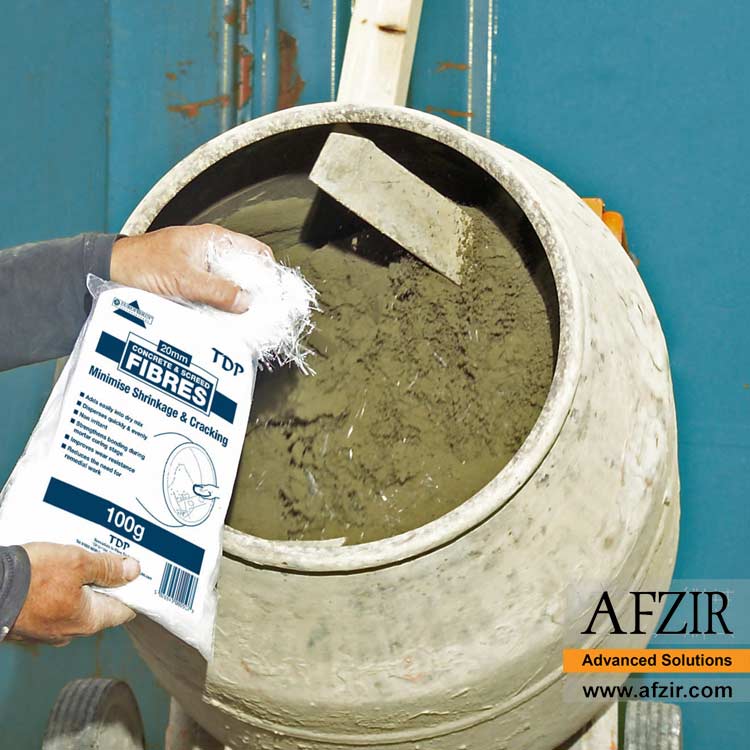
Polypropylene fibers can be incorporated into concrete using either a mixer or manual mixing. In both methods, the fibers are added to the concrete mixture along with water and other components, ensuring uniform distribution before proceeding with normal work conditions.
Growth Rate of Polypropylene Fibers
The market size for polypropylene fibers exceeded 3.5 billion dollars in 2020, with the price of polypropylene concrete fibers averaging around 945 dollars per ton. It is anticipated to experience significant growth, surpassing a compound annual growth rate (CAGR) of 3% from 2021 to 2027, with a projected price of over $130,000 per kilo. The increasing global population, improved economic conditions, evolving living standards, the rapid growth of industrial activities (especially in emerging economies), and demand for durable and lightweight products in industries such as automotive manufacturing and construction are the key drivers of the production and sale of polypropylene fibers.
Afzir Company, a Leading Provider of Polypropylene Fibers
Afzir Company, a reputable supplier of concrete fibers, including polypropylene fibers, has years of experience in this field. They offer a wide range of concrete fibers and provide the convenience of purchasing them online. To inquire about prices and receive a price list for concrete and PP fibers, contact their experts or leave a message on WhatsApp. Their knowledgeable team will guide you promptly to help you choose suitable polypropylene fibers for your project.


Reviews
There are no reviews yet.