
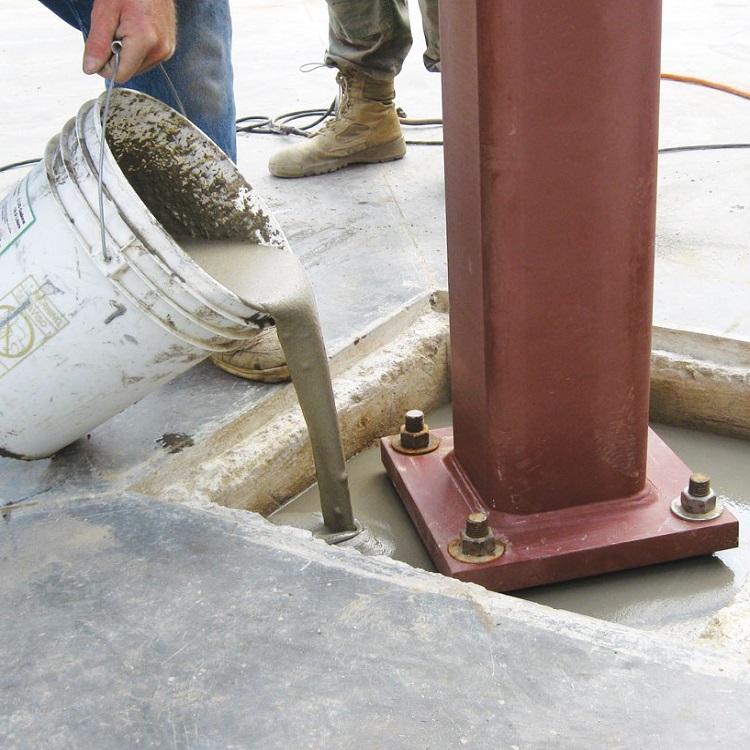
What is cement-based grout, and what materials is it composed of?
Cement-based grout is a mixture of cement materials, such as ordinary Portland cement or very fine cement, combined with water, sand, and additives that provide high compressive strength. Cement grouts are widely used and offer a cost-effective solution compared to other types of grouts. In the following section, we will discuss the implementation process, characteristics, technical specifications, application, and pricing of cement-based grout.
It is commonly used in construction and civil engineering projects for various applications, such as filling gaps, voids, or joints between building materials or structural components.
Cement-based grout is known for its ability to provide stability, strength, and durability once it sets and hardens. It is typically mixed on-site by combining cement powder with water to form a paste-like consistency. The mixture is then applied to the desired area, where it fills in the gaps and solidifies over time.
Properties Of Cementitious Grout
The properties of cement-based grout can be modified by adding certain additives or admixtures to improve its flowability, workability, bonding characteristics, or resistance to shrinkage. These additives can enhance the performance of the grout and make it suitable for specific applications or environmental conditions.
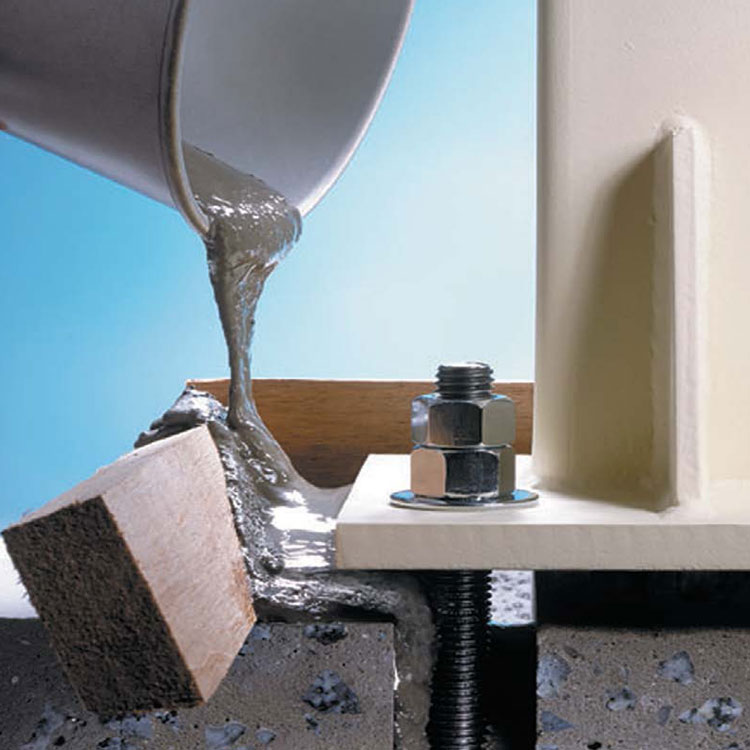
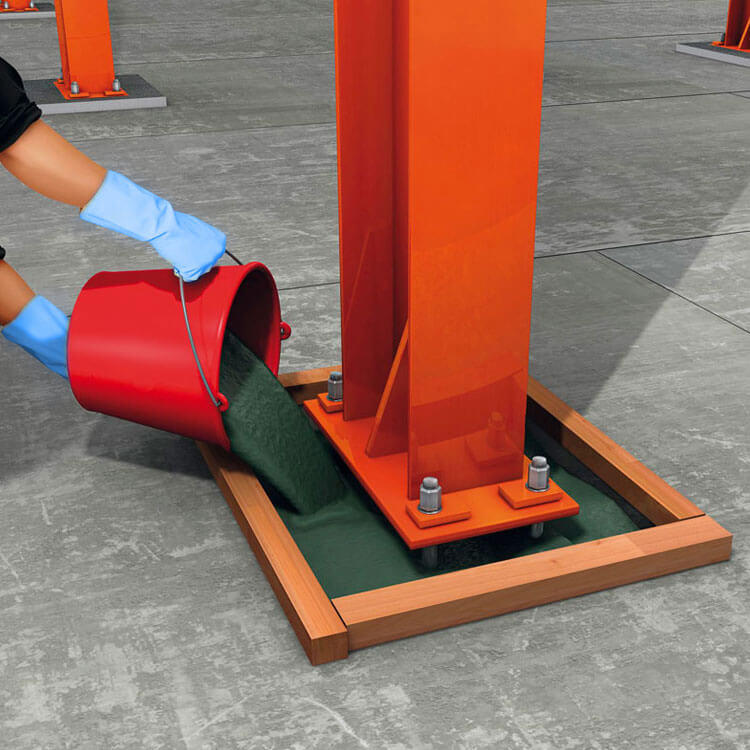
Cement-based grout is commonly used in a range of construction projects, including tile installation, masonry work, grouting of base plates, machinery, and anchoring of structural elements. It is valued for its ability to provide a strong bond, stability, and support to various building materials and components.
Overall, cement-based grout is a versatile and widely used material with excellent strength, durability, and ease of application, making it a popular choice in the construction industry.
What is the maximum thickness for cement-based grout?
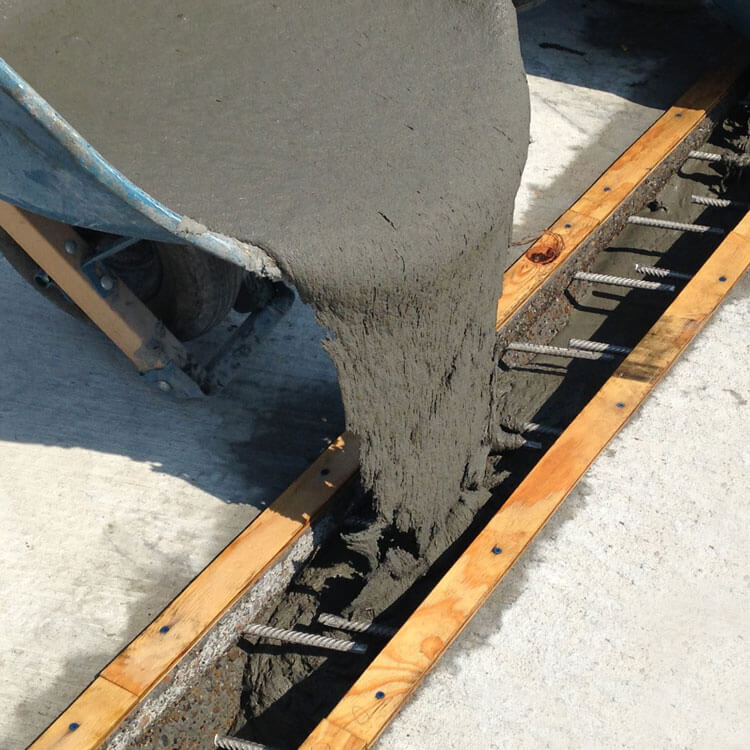
The recommended minimum thickness for cement-based grout is approximately 25 mm, while the maximum thickness is around 100 mm. However, when filling cavities with cement grout in the form of bolts, anchors, or rebars, the thickness can be considered up to 35 cm. The metal components act as heat conductors or serve as heat sinks due to hydration.
Purchase price of cement-based grout
The price of cement-based grout (CEG™ code) is determined per kilogram of grout. For information on purchasing and specific pricing details, please get in touch with our experts.
Cases where the use of cement-based grout is not recommended
- Cement grout is not designed to withstand continuous impact loading and heavy machinery vibrations. Exposure to these stresses can result in cracking or damage, which can have severe consequences for both the machinery and the baseplate concrete.
- Structures requiring rapid and extremely high initial resistance necessitating circularly minimal failure.
- Cement grouts are susceptible to chemical attacks, which can degrade the grout over time. Therefore, it is not recommended for environments exposed to severe corrosion.
- Cable bolts, anchors, or bolts that bear high tensile loads.








Reviews
There are no reviews yet.