
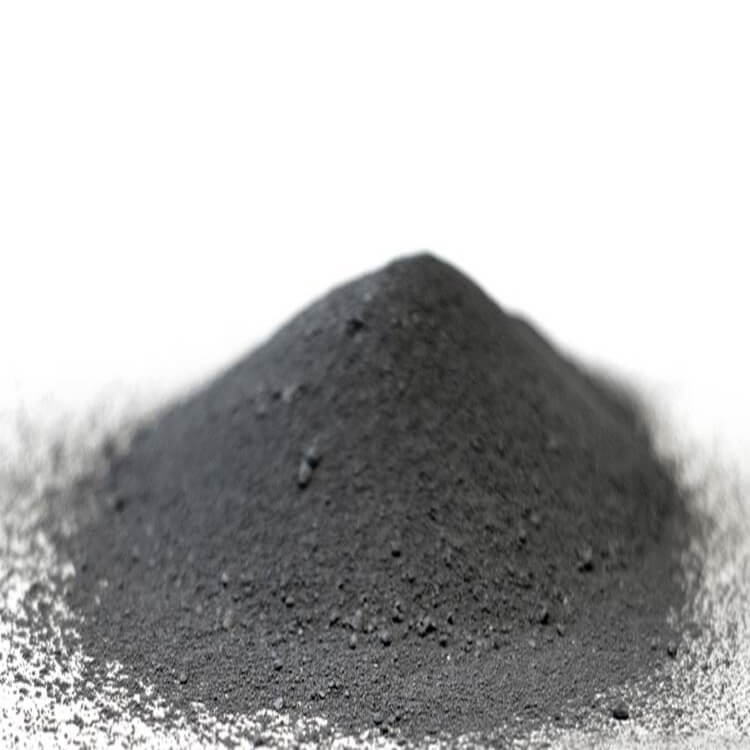
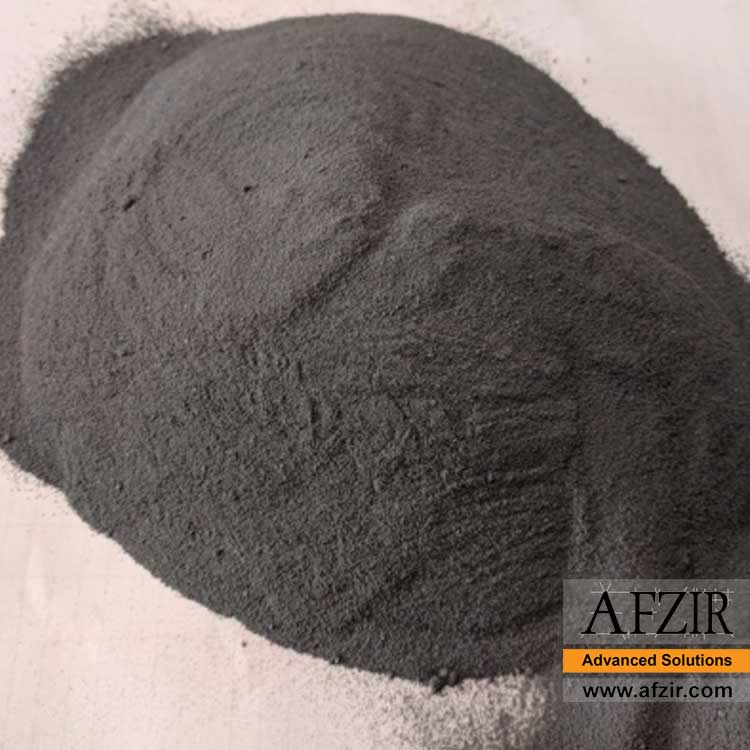
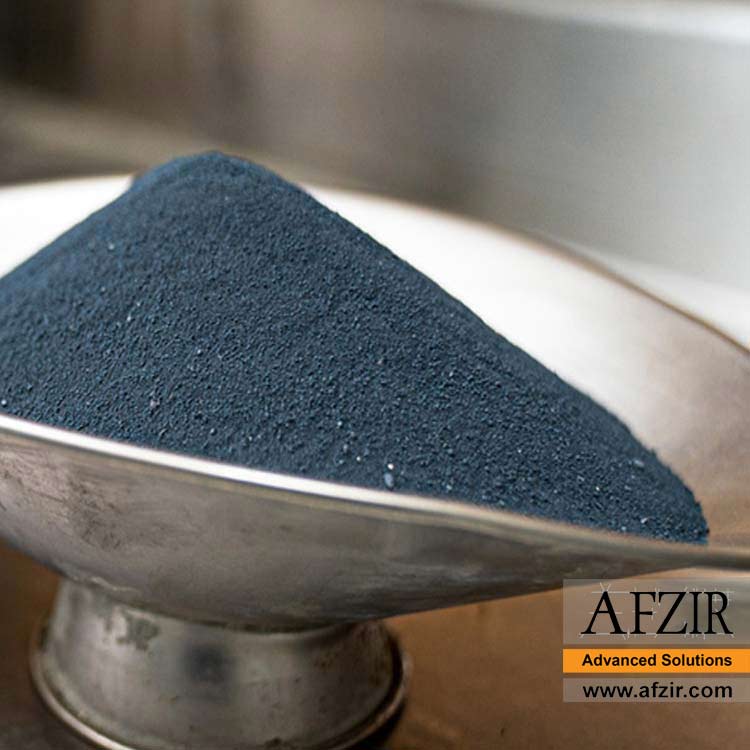
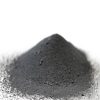


Micro silica is a highly reactive material used in small quantities to enhance the properties of concrete. It is a byproduct of certain metals produced in electric arc furnaces. According to the American Concrete Institute (ACI), micro silica is defined as “very fine amorphous silica produced in electric arc furnaces that is a by-product of the production of silicon alloys or silicon metal” (ACI 116R). This gray powder substance bears a resemblance to Portland cement or fly ash and is typically classified as a cement admixture. Cement admixtures refer to materials used in conjunction with Portland cement in concrete.
Designing high-durability structures exposed to aggressive chemical environments relies on pozzolanic reactions within the matrix. Incorporating a reactive micro silica concrete additive along with superplasticizers densifies internal pores and prevents chloride penetration
Micro silica exhibits the following properties:
- Pozzolanic:
Materials with this property do not gain strength when mixed with water. Micro silica and low calcium fly ash are examples of such materials. Micro silica must meet the standard specifications outlined in ASTM C1240 for cement mixtures, while low calcium fly ash must comply with the technical requirements specified in ASTM C618 for coal ash and raw and calcined natural pozzolans of grade F used in concrete.
- Cement:
Materials with this property gain strength when mixed with water. Ground blast furnace slag and high-calcium fly ash fall into this category. Ground blast furnace slag should meet the technical specifications defined in ASTM C989 for its use in concrete and mortars, while high-calcium fly ash must conform to ASTM C618 Grade C requirements.
- Pozzolanic and cement:
A combination of the properties mentioned above. Some types of fly ash exhibit these characteristics.
Micro silica is also known by other names, including:
- Condensed micro silica
- Silica fume
- Evaporated micro silica
Other materials bear physical and chemical similarities to micro silica, which may be byproducts or main products of factories. Some of these materials can be utilized in concrete, such as:
- Precipitated silica
- Fumed silica
- Silica gel
- Colloidal gel
Micro silica is incorporated in concrete to significantly improve its fresh and hardened properties. While its potential was recognized in the late 1940s, widespread use of micro silica in concrete became possible with the development of other concrete technologies. This involved the introduction and acceptance of strong dispersants, known as strong water-reducing additives or superplasticizers, in the market. It is important to note that micro silica enhances material properties and is not a substitute for cement. Cement alternatives, such as fly ash or ground blast furnace slag, can be used in conjunction with cement and micro silica.
The effects of micro silica on concrete include:
- Increased adhesion:
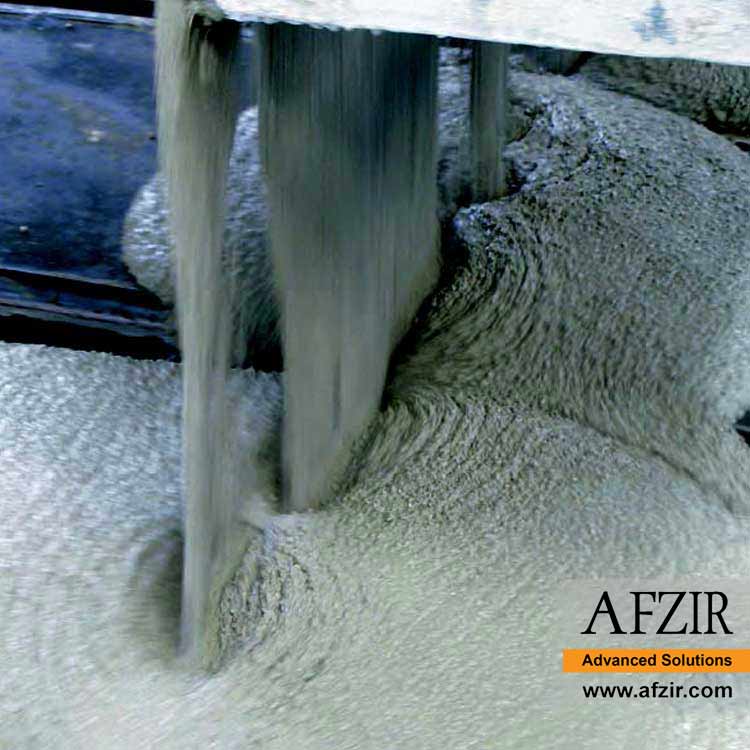
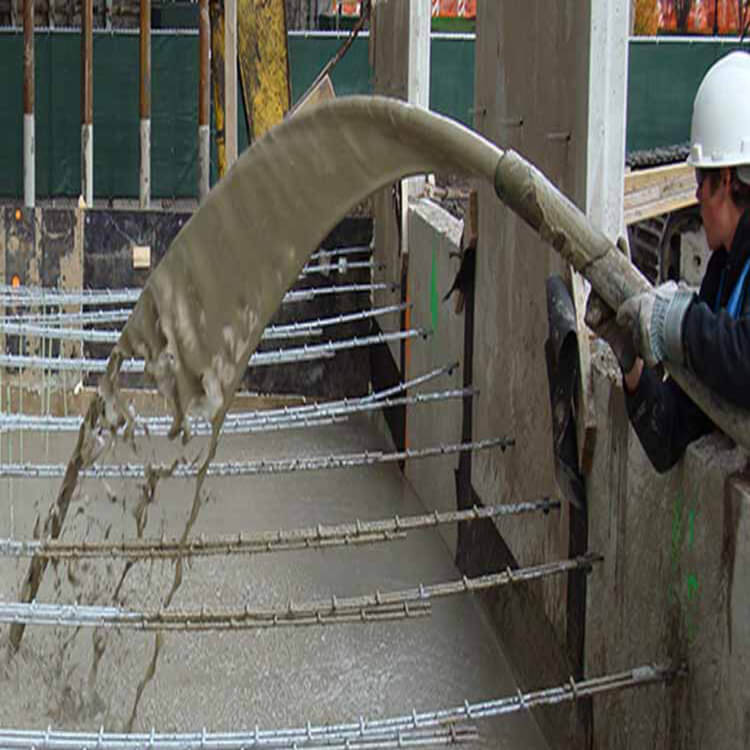
Micro silica concrete exhibits greater cohesion compared to concrete without micro silica, reducing the likelihood of separation. Generally, micro silica concrete with a slump of 40 to 50 mm is used to compensate for the increased adhesion. This property proves advantageous in shotcrete applications for new structures, repair projects, or support construction in tunneling operations. The use of micro silica in shotcrete enables the application of thicker layers, especially in overhead spraying, while significantly reducing material rebound. Steel fibers are often employed to enhance the flexural strength of micro silica shotcrete. Micro silica is compatible with commonly used accelerators in shotcrete applications. The benefits of micro silica become evident in the hardened shotcrete, including improved bond strength with substructure materials and between layers when sprayed in multiple layers.
- Reduced bleeding:
Micro silica concrete experiences minimal or no water loss due to its high lateral surface area and low water content. At around 5% micro silica content, bleeding is typically eliminated. Bleeding occurs when heavier constituents of concrete, such as cement and stone materials, settle under gravity before hardening, resulting in water loss. As the heavier particles settle, water, being lighter, rises to the surface. This water movement occurs through capillary channels. The evaporation of water in these channels creates pathways for corrosive agents like chloride ions, antifreeze salts, or seawater to enter the concrete, potentially causing damage. Reducing or eliminating these channels enhances the durability of concrete. Furthermore, the absence of water leakage allows for more efficient work on micro silica concrete floors. Unlike regular concrete, which requires a waiting period until the water completely stops and evaporates from the surface, micro silica concrete allows for earlier finishing operations once the water splash has disappeared and the concrete has gained sufficient strength.
- Increased mechanical properties:
Micro silica is renowned in the concrete industry for its ability to produce concrete with high compressive strength. It also improves other mechanical properties like modulus of elasticity and bending strength, though compressive strength has been a major focus.
- Reduced permeability:
The durability of concrete often correlates with its permeability. Micro silica plays a role in reducing the permeability of concrete, effectively reducing the time for corrosive chemicals to penetrate and damage the concrete.
In summary, micro silica is a valuable additive that enhances the properties of concrete. Its benefits include increased adhesion, reduced bleeding, improved mechanical properties, and decreased permeability, contributing to more durable and robust concrete structures.





Reviews
There are no reviews yet.