
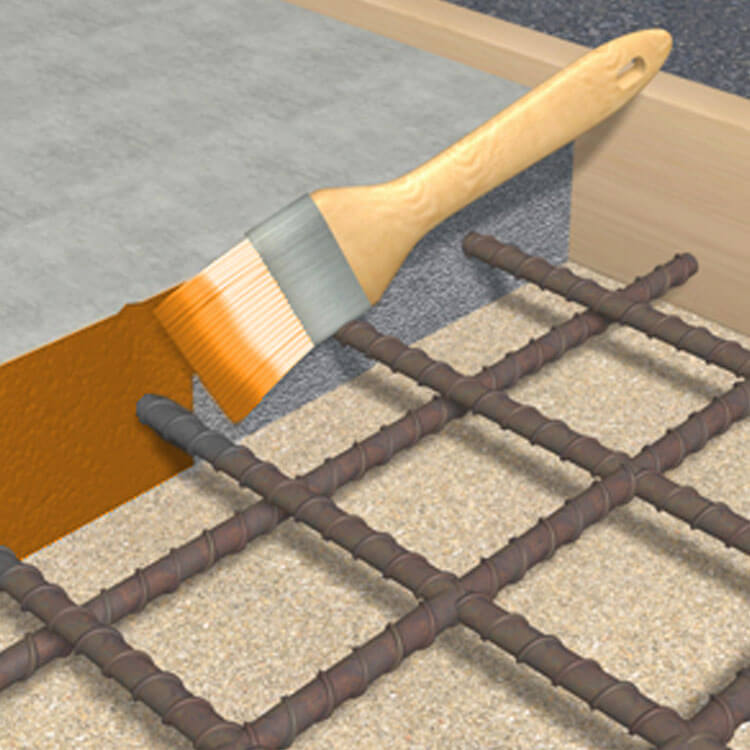
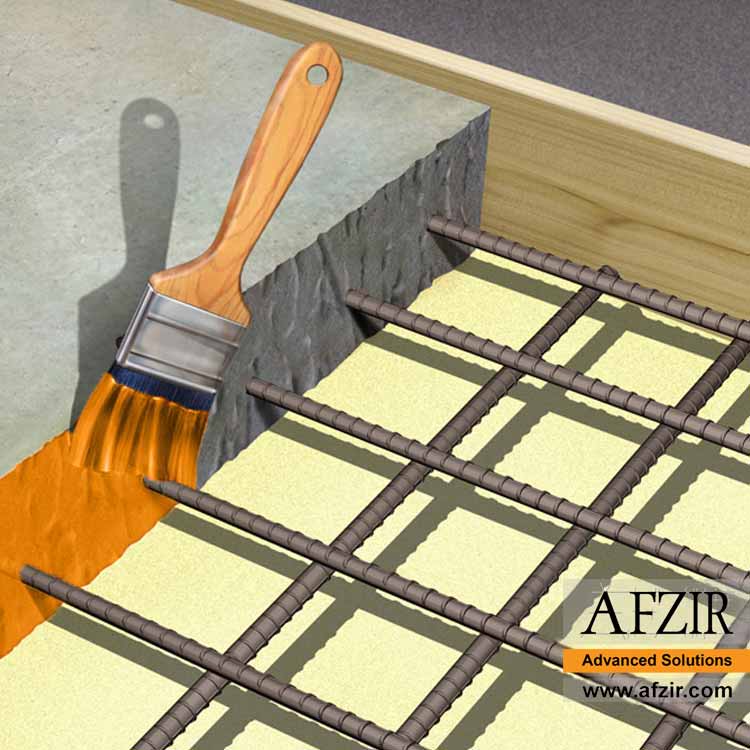
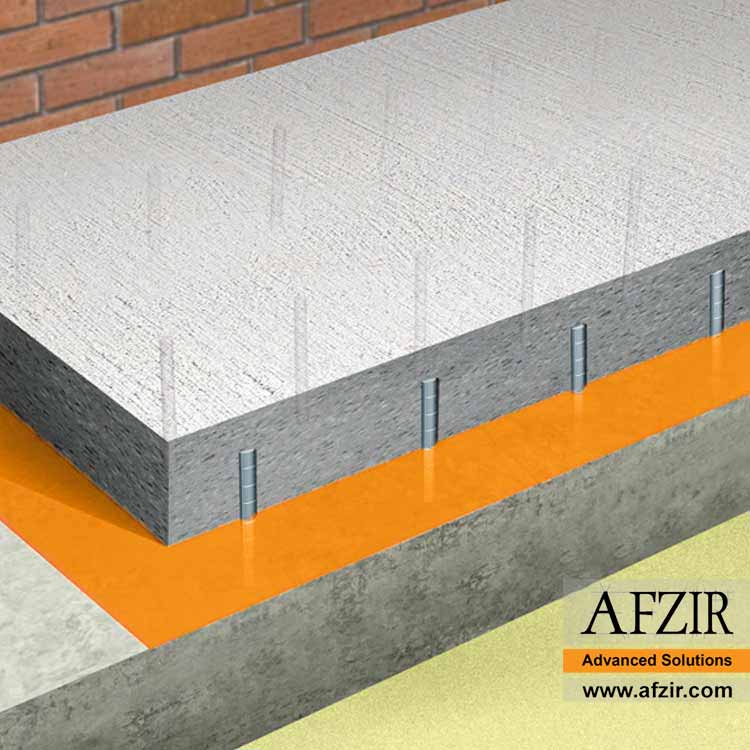





CBA™, short for Concrete Bonding Adhesive, is a high-quality binder formulated explicitly for effectively bonding fresh cementitious materials to various surfaces. This versatile adhesive is suitable for creating strong connections between new concrete and a wide range of materials, including concrete, stone, wood, steel, ceramic, and brick.
When using CBA™, it is essential to apply it to clean, durable surfaces free from contaminants. This adhesive is particularly useful for bonding new concrete to existing surfaces such as epoxy-based concrete, steel, brick, glazed tile, ceramic, mosaic, and concrete floors.
With its exceptional adhesion properties, CBA™ enables reliable and long-lasting bonds, making it ideal for reinforcing structures, repairing damaged concrete surfaces, and seamlessly integrating different flooring materials. Its compatibility with various substrates makes it a preferred choice among construction professionals seeking reliable and efficient bonding solutions.
By utilizing CBA™, you can achieve strong and durable connections between different materials, significantly enhancing your construction projects’ longevity and structural integrity.
Features of the Product:
- Excellent adhesion to concrete and most building materials
- Achieves excellent initial and final resistances
- Demonstrates good tensile strength
- Offers stability against impact and wear
- Compatible with both dry and wet substrates
- Exhibits good moisturizing properties and the ability to impregnate woven and non-woven fibers
- Possesses low concentration and high penetrating power
- Has an insignificant smell and is safe for users
- Allows for easy mixing and provides a long working time
- Can be applied with a roller or brush.
Which factors affect the price of CBA™?
Several factors can influence the price of CBA (Concrete Bonding Adhesive):
-
Quality and Brand:
Established brands known for high-quality materials may have higher-priced CBAs due to their reputation and investments in research and development.
-
Product Formulation:
CBAs with specialized formulations, such as additives for faster curing or increased bond strength, may have a higher price point.
-
Packaging and Quantity:
Larger quantities or bulk packaging options generally cost less per unit than smaller packages or specialized packaging formats.
-
Market Demand:
Supply and demand dynamics in the construction industry can impact CBA prices, with high demand potentially leading to price increases.
-
Distribution and Location:
Factors like shipping costs, distance to the market, and local market conditions can affect the overall pricing of CBAs.
Considering these factors when assessing CBA prices allows for informed decision-making, balancing both cost and quality.


Reviews
There are no reviews yet.