



Products
Afzir Company will provide you various types of Epoxy Resins for FRP systems.
FRP epoxy adhesive (ERS™ 200 code) is renowned for its strong adhesion. It consists of two components, epoxy resin, and hardener. This liquid adhesive has low viscosity and highly resistant to mechanical stress and corrosion. It is commonly used for installing and impregnating carbon fibers, glass fibers, and FRP aramids through wet lay-up and machine saturation. Additionally, it serves as an epoxy primer in various projects and as a bonding layer for FRP retrofitting.
Structural strengthening using wet lay-up composites relies heavily on superior polymer bonding properties. Utilizing a high-modulus FRP epoxy adhesive resin ensures thorough fabric saturation and transfers shear stresses effectively from the concrete substrate
FRP epoxy adhesives and resins are widely used in construction and civil engineering thanks to their ability to bond large surfaces and heavy joints. They find applications in producing adhesives, plastics, paints, coatings, primers, sealants, flooring, and other construction products. They are commonly employed in constructing multi-layered wooden decks, walls, ceilings, and other items requiring solid connections to the substrate. The versatility of epoxy adhesives allows them to bond to various surfaces such as wood, metal, glass, stone, and certain plastics. They offer superior resistance to heat and chemicals compared to many other adhesives.
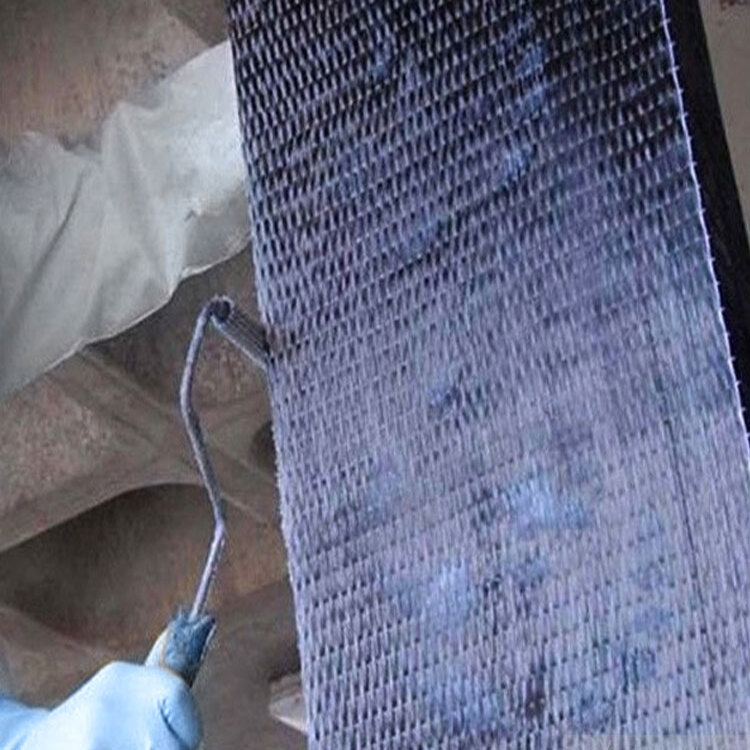
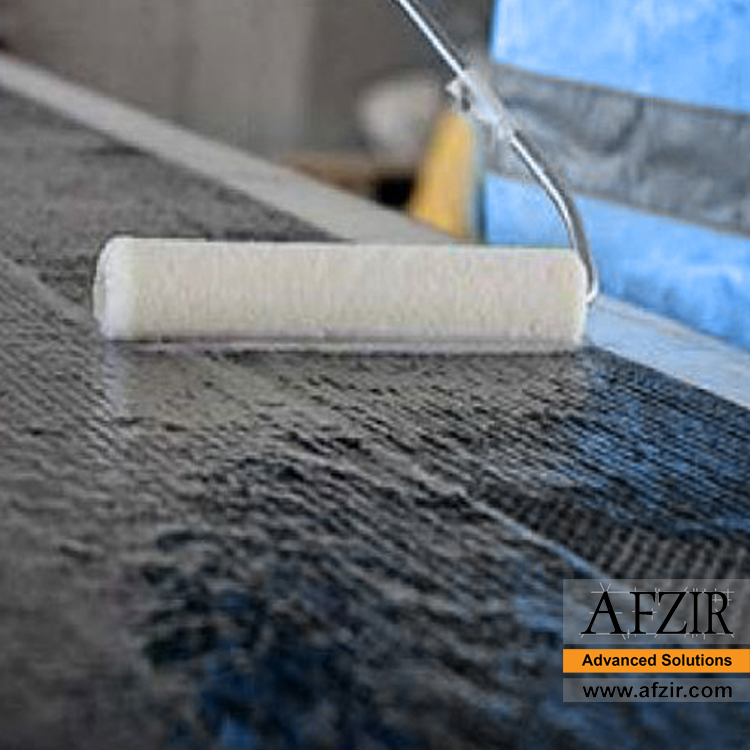
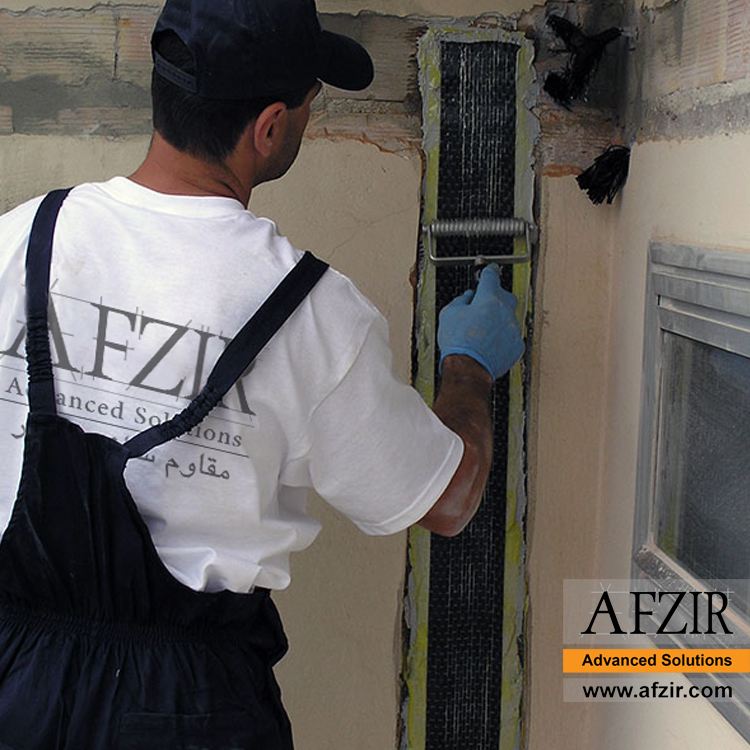
FRP composites, composed of a polymer substrate and high-strength continuous fibers like glass and carbon fibers, provide a simple, cost-effective solution for repairing and reinforcing concrete structures. On-site production of FRP composites through the wet lay-up process involves impregnating carbon or glass fibers with epoxy and bonding them to prepared concrete substrates. Once the FRP adhesive has cured, it becomes an integral part of the structure, functioning as an external reinforcement system. The process typically includes using a primer to enhance the adhesive-substrate bond, epoxy putty to fill voids and surface cracks, and saturated resin to impregnate the fabric and adhere it to the concrete substrate. A protective cover safeguards the FRP system from mechanical and environmental damage.
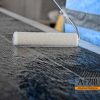
The wet lay-up process involves impregnating fibers with FRP epoxy adhesive and applying them manually to a prepared surface. Achieving desired properties requires observing the correct fiber-to-resin ratio. Generally, heavier fibers and reinforcing materials necessitate more significant amounts of resin for proper impregnation. The optimal ratio is typically 60% fiber to 40% resin.
When choosing an adhesive or FRP fiber resin for your project, consider factors such as the required epoxy layer thickness, curing time, the need for a mold, desired wear resistance, impregnation of reinforcing material, special epoxy properties, and exposure to extreme temperatures, humidity, chemicals, UV light, or other harmful agents.
Ensure measured strength meets requirements. Consider curing time and hardening properties. Evaluate viscosity. Check waterproofing capabilities.
packaging
Product color
| appearance |
Clear light yellow liquid |
| Part A |
Clear light yellow liquid |
| Part B |
clear |
| Shelf time |
18 month |
| Storage conditions |
Store dry at 4°C – 40°C |
| Chemical base |
Epoxy Resin |
| density |
1.1 Kg/L |
| Mixing ratio |
A:B = 100:13 |
|
Viscosity |
7000 -10000 MPa |
| Tensile strength (ASTM D638) |
35 MPa |
| pull off Adhesion testing |
2.5 MPa |
|
Tensile modulus(ASTM D638) |
2500 MPa |
| fracture strain |
2% |
| curing temperature |
Between -35°C until 65°C |
| Setting time (at 25°C) |
5 day |
| Pot life (at 25°C) |
30 min |
Afzir Company will provide you various types of Epoxy Resins for FRP systems.
Reviews
There are no reviews yet.