



Products
Afzir Company will provide you the most proper epoxy grout products for your project.
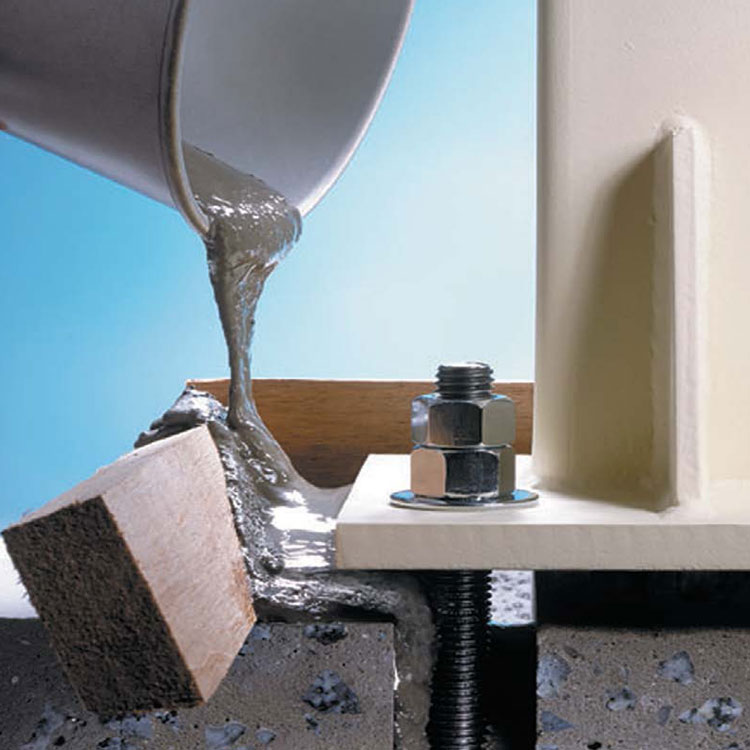
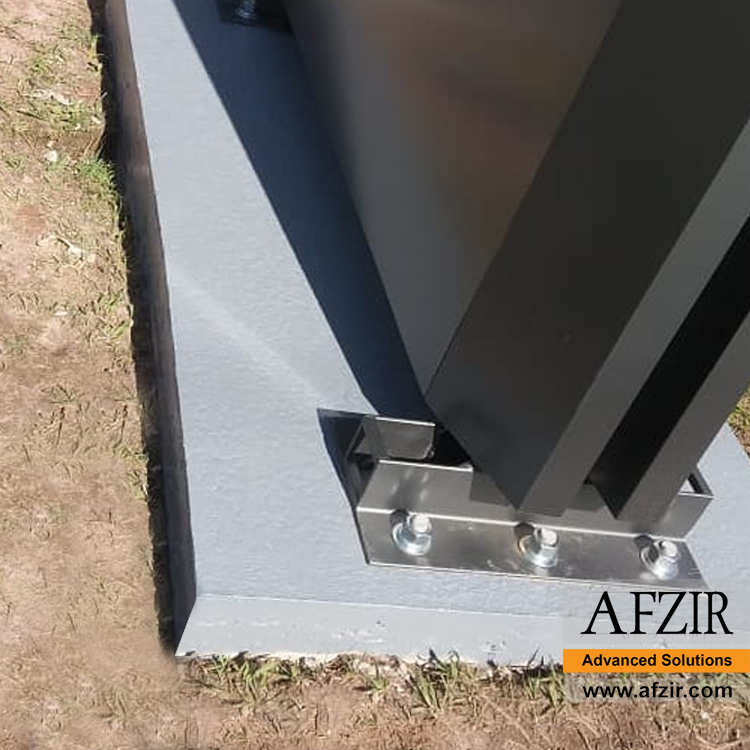
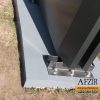
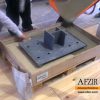
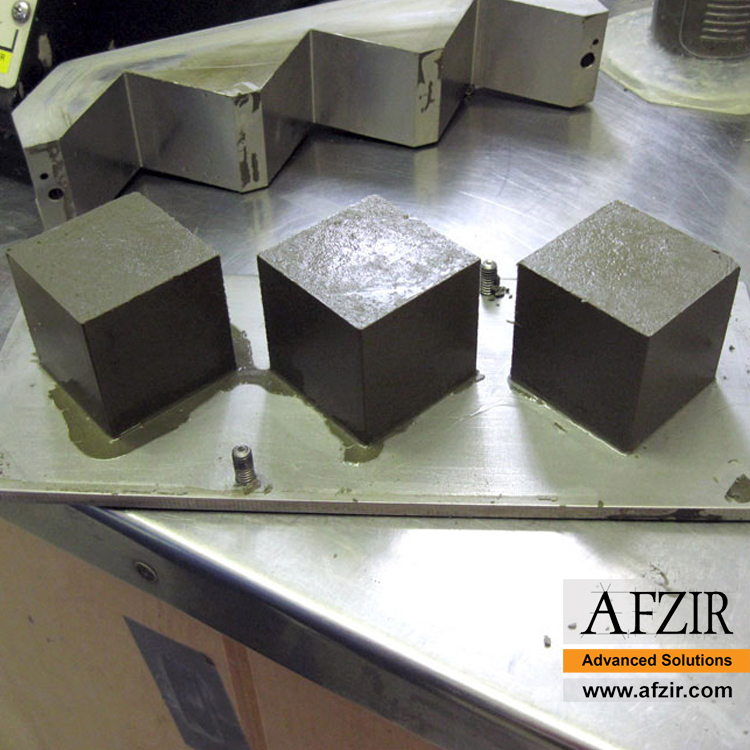
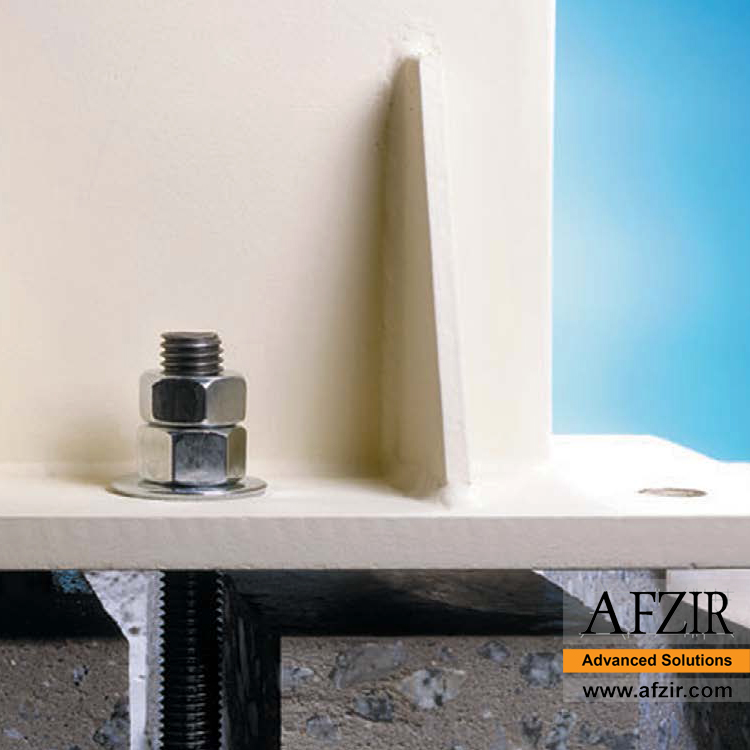
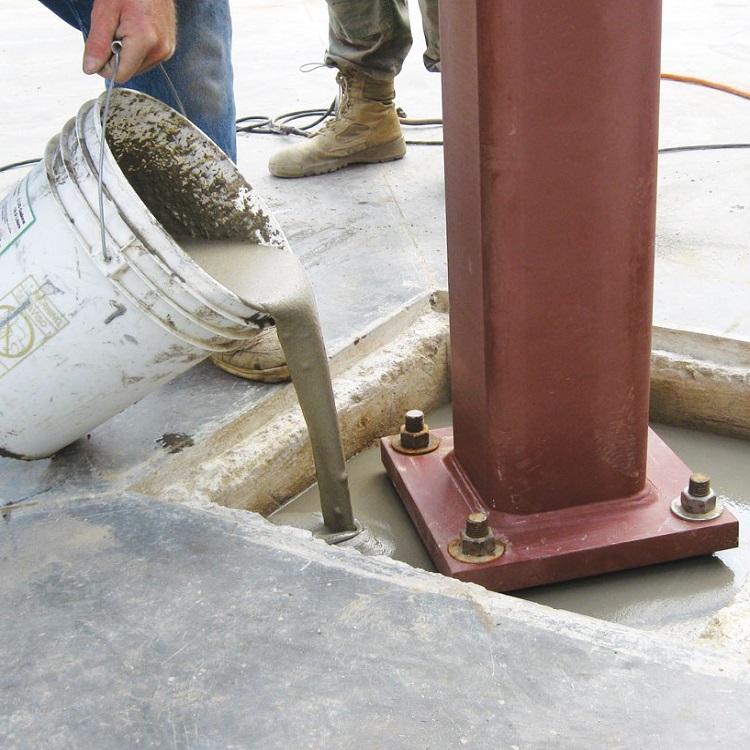
The Two Component Epoxy Grout, also known as ERG™200, is a fundamental type of epoxy grout widely utilized for various applications. Specifically, ERG™200 epoxy resin grout is highly effective when there is a need to fill the space between the bottom of the column plate, under the base plate, and the substrate, ensuring even distribution of the structural load. Comprised of two components, namely epoxy resin and hardener, this epoxy grout is a remarkably strong filler or adhesive for installing and connecting two structural sections, exhibiting exceptional static and dynamic resistance. Notably, this product showcases outstanding performance properties, offers a suitable working time, and does not shrink. Moreover, it attains remarkable compressive and flexural strengths, making it an ideal choice for various applications.
Epoxy grout is a two-component mortar created by mixing epoxy resin with water. It is commonly used for grouting, planting rebar, filling cavities, and repairing concrete. It is also employed for adjusting the height of base and column plates. Epoxy grout is composed of fine-grained stone materials, which provide it with properties such as low shrinkage, easy application, high durability, strength, waterproofness, and cost-effectiveness. This versatile two-component epoxy grout is suitable for a wide range of large and small construction projects.
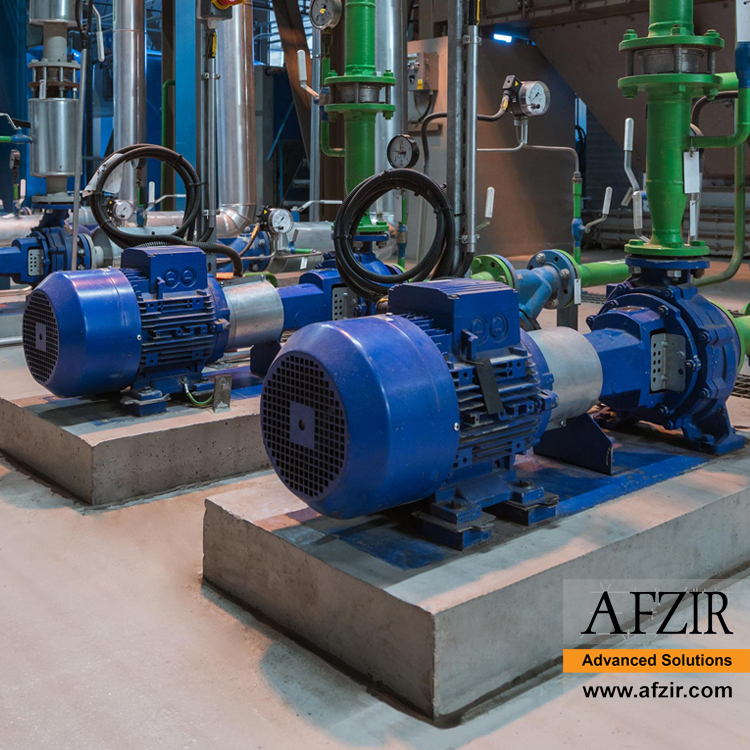
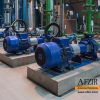
Industrial foundations supporting heavy rotating machinery demand exceptional fatigue resistance. Utilizing a premium two component epoxy grout dampens operational vibrations while ensuring permanent adhesion between structural concrete and steel baseplates
Due to its unique qualities, epoxy grout has gained popularity among tile contractors and builders. Unlike cement grout made from a cementitious powder mix, epoxy grout consists of epoxy resins and a filler powder. The resulting grout is highly durable and almost entirely stain-proof. Unlike regular grout, epoxy grout is waterproof and does not absorb water or stain easily. If you’re tired of dealing with stained grout, epoxy grout can be ideal.
Compared to cementitious grouts, epoxy grout offers greater bond strength and chemical resistance. It is made from two different resins mixed with a filler, making it highly waterproof and suitable for use with harsh cleaning products.
The distinction between two-component epoxy grout and cement grout lies in their composition and properties:
Compared to cement grouts, epoxy grouts exhibit excellent damping properties for dynamic forces.
Epoxy grout provides better bonding and adhesion between the foundation concrete and base plates than cement grout.
Epoxy grout cures faster than regular grout, reducing the required working time for the mixture.
Epoxy grout demonstrates higher chemical resistance than concrete and cement-based grout.
Epoxy grouts have superior adhesion resistance, enabling them to withstand shear forces and lateral forces caused by wind, earthquakes, and other factors acting on the column plate.
Epoxy grouts do not require curing, except for the use of protective coatings in temperatures above 20 degrees or under canopies. In contrast, cement-based grouts are typically cured by water spraying for 5 hours or through the use of a curing agent.
The purchase price of epoxy grout can be 3 to 5 times higher than that of regular grout.
The coefficient of thermal expansion for epoxy grouts is directly related to the product’s components and should align with the coefficient of heat for steel and concrete. The most pessimistic reports indicate a thermal expansion of 10 millionths of an inch per square inch of temperature rise per degree Fahrenheit. On the other hand, Portland cement-based grouts have a coefficient of thermal expansion of approximately 5.5.
Accurately estimating the required grout volume is crucial. Afzir Company has developed an online calculator tool to simplify this process that suggests the appropriate amount of grout based on your project’s operating conditions.
Choosing the Right Grout and Application Method:
Selecting the most suitable grout for your specific operation is essential. Additionally, ensuring the proper mixing of the grout’s two components guarantees the quality of your work. The grout and application method choice depends on various environmental conditions, considerations, and requirements. For instance, gravity grouting is recommended for small base plates, while the flow rate and fluidity of the grout should be prioritized for large surface areas.
The following tips will assist in selecting the appropriate grout and guiding its application:
In specific weather conditions where moisture loss can occur due to air temperature and inadequate curing, expandable grouts are more suitable.
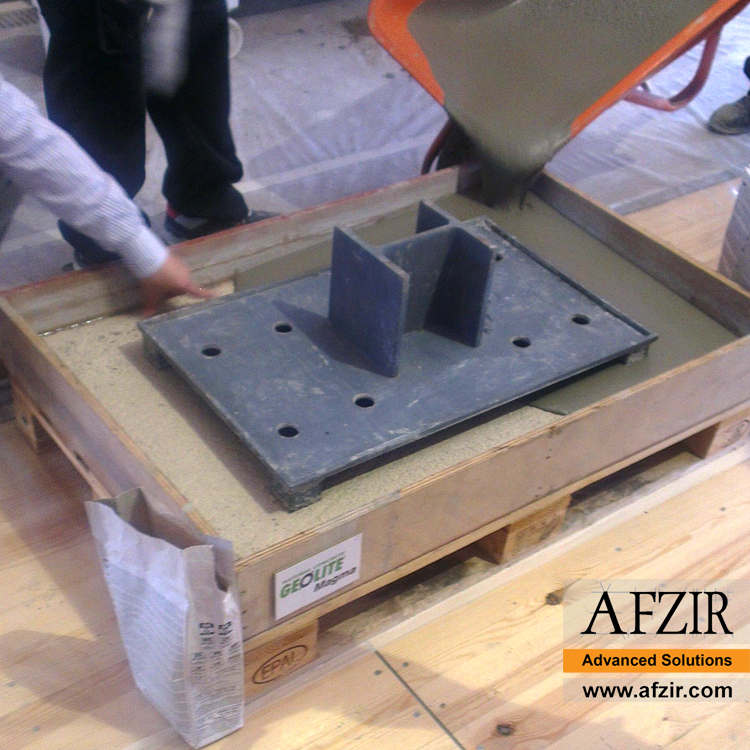
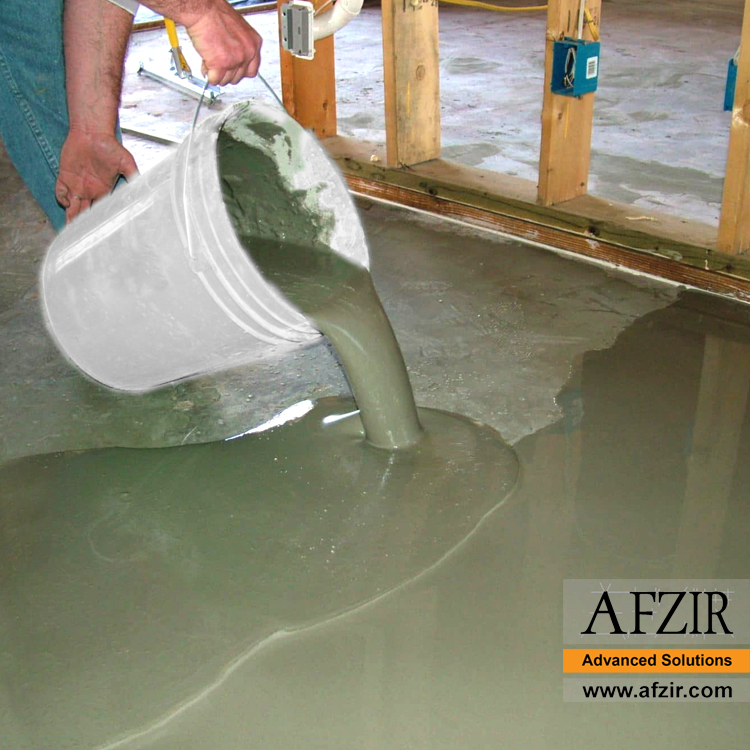
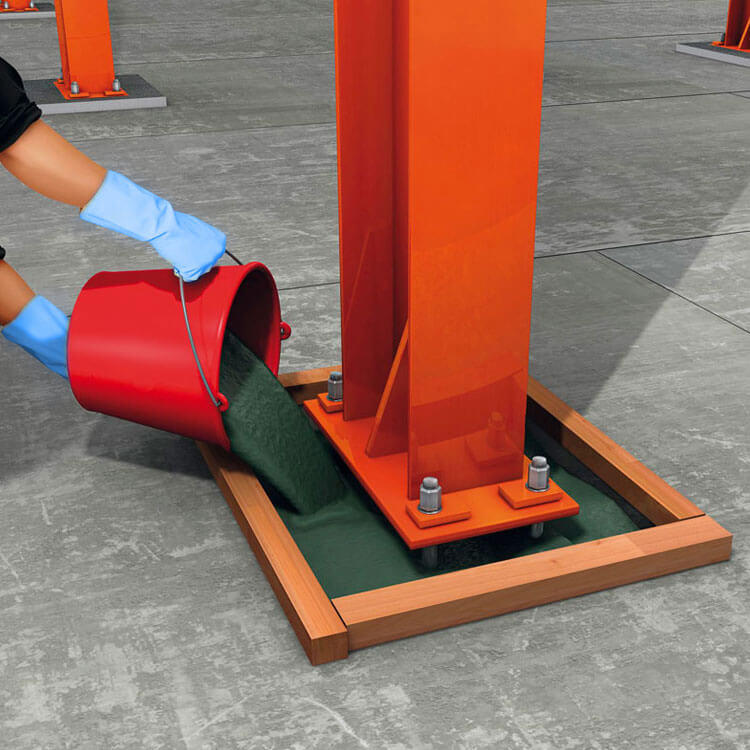
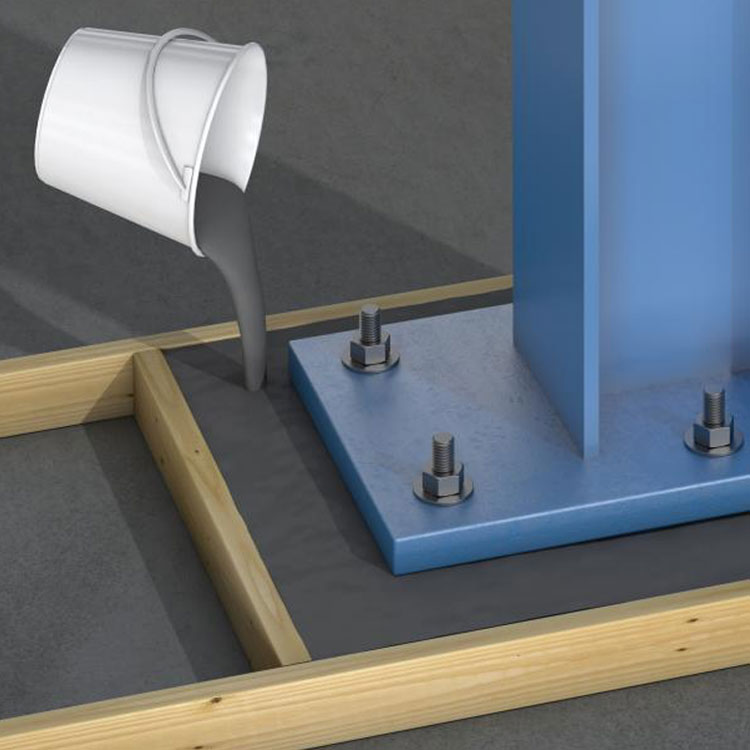
Grouting can be performed in two ways: gravity casting and pump application. Pump application ensures a consistent and evenly distributed grout flow, eliminating concerns about trapped air.
This method allows maximum resistance with minimum grout thickness. It is particularly advantageous when dealing with complex structures.
Gravity casting, on the other hand, utilizes the fluid and flowable states of the grout to achieve the required strength. It is suitable for situations where dough-like and fluid properties are needed while adhering to minimum grout thickness restrictions.
Cement-based grouts are not recommended for environments with severe vibrations, as they can crack and break. For operations requiring high tensile flexural strength and adhesion, such as grouting under columns and baseplates, epoxy and polymer grouts are preferable.
Epoxy grout based on ACI 351.1R-99 is recognized by international standards for its fluidity and effectiveness.
Determining the fluidity and efficiency of epoxy grout relies on scientific judgment, user experience, and engineering insight. It is essential to consider the efficiency time, which refers to the time from the start of mixing the two components to the drying and unusability of the epoxy grout. To ensure optimal results, the grout should be mixed before drying occurs.
After pouring, clean epoxy resin typically experiences minimal shrinkage. Most of this shrinkage occurs while the epoxy resin is in a liquid state, so no further shrinkage occurs once it dries and withstands mechanical stresses.
Epoxy grout exhibits long-term compressive strength generally 50 to 100% higher than hydraulic cement grout mixed to a smooth consistency. Moreover, the strength develops at a faster rate. Specially formulated epoxy resins can be loaded in less than 24 hours after application. Epoxy grouts offer high tensile strength and effectively reinforce clean and rough steel and concrete surfaces. Their increased strength and resilience enable them to absorb more energy during impact loading than hydraulic cement grout.
The thickness of the epoxy grout layer used in structures depends on the distance between the base plate and other factors. Typically, it should not be less than 25 mm. The minimum grout thickness specified by ACI 351.1R-99 is 25 mm, which should increase by 13 mm for every 300 mm increase in grout flow.
packaging
Product color
|
density |
1800 kg/m3 |
| Working time (32℃) |
10-20 min |
| Shrinkage(7 days) |
– 0.0063 |
| Mixing ratio ( parts A:B ) |
2:1 |
| Tensile strength (7 days) |
14 MPa |
| flexural strength (7 days) |
30 MPa |
Afzir Company will provide you the most proper epoxy grout products for your project.

Reviews
There are no reviews yet.